


Florida Mortgage Refinance Rates: Your Guide to Lowering Payments in 2025
December 18, 2025
Explore Florida mortgage refinance rates in 2025. Learn how to lower payments, understand options, and navigate the process for savings.

Thinking about refinancing your mortgage in Florida for 2025? You're not alone. Lots of homeowners are looking for ways to get a better deal on their home loan, especially with interest rates doing their own thing. This guide is here to break down what you need to know about mortgage refinance rates in Florida, from understanding the numbers to actually getting it done. We'll cover why it makes sense, how to get the best rates, and some Florida-specific stuff that might affect your decision. Let's figure out how to get you a better payment.
Key Takeaways
- Interest rates are expected to keep going down in 2025, making it a good time to consider refinancing your mortgage in Florida to lower your monthly payments.
- Your credit score, how much you put down, and the type of loan you choose all play a big role in the mortgage refinance rates Florida homeowners can get.
- Refinancing involves a process similar to getting your original mortgage, including applying, getting approved, and closing on the new loan.
- Different refinance options exist, like 30-year or 15-year fixed loans, FHA, and VA loans, each with its own pros and cons.
- Florida has unique factors like high insurance costs and specific condo market rules that can impact your overall refinancing picture.
Understanding Florida Mortgage Refinance Rates in 2025
Current Mortgage Rates in Florida
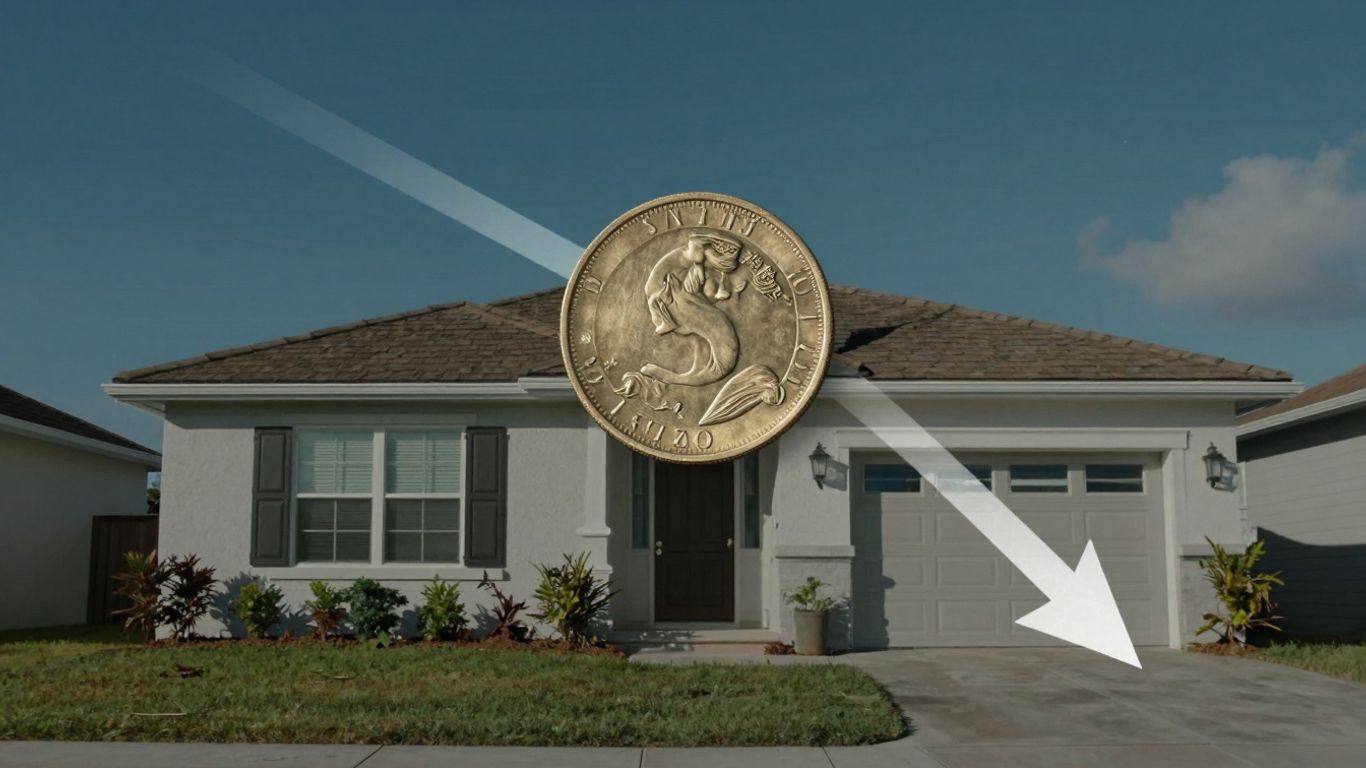
So, you're thinking about refinancing your mortgage in Florida for 2025? Smart move. Rates have been a bit of a rollercoaster, but as of late 2025, things are looking more favorable for homeowners. We're seeing average 30-year fixed rates hovering around the 6% to 6.75% mark. Now, that number might seem a little high compared to a few years back, but it's a significant drop from the peaks we saw in late 2023. Even a small change in your interest rate can save you a lot of money over the life of your loan.
Here's a quick look at where things stand:
- 30-Year Fixed: Typically between 6.0% and 6.75%. This is the go-to for many Floridians because it keeps your monthly payments predictable and manageable.
- 15-Year Fixed: Generally about 0.5% to 0.75% lower than 30-year rates, landing in the 5.25% to 6.0% range. You'll pay more each month, but you'll build equity faster and save a bundle on interest.
Keep in mind, these are just averages. Your actual rate will depend on a few things we'll get into next.
Factors Influencing Florida Mortgage Rates
It's not just the national economy that dictates your mortgage rate. Several factors come into play, especially here in Florida:
- Your Credit Score: Lenders see a higher credit score as less risk. If yours is in the high 700s or 800s, you're likely to snag the best rates. Scores in the mid-600s might get you approved, but probably not at the lowest available rates.
- Loan-to-Value (LTV) Ratio: This is basically how much you owe compared to what your home is worth. A lower LTV (meaning you owe less relative to the home's value) usually means a better rate. Putting down a larger down payment when you first bought or having paid down a good chunk of your mortgage helps here.
- Loan Type: Are you going for a conventional loan, an FHA loan, or a VA loan? Each has its own rate structure. For example, VA loans often come with very competitive rates for eligible veterans.
- Property Insurance Costs: This is a big one in Florida. With hurricane seasons and rising insurance premiums, lenders factor in the potential risk and cost of insuring your property, which can sometimes influence the rates they offer.
The housing market in Florida is dynamic. While national economic trends play a role, local factors like insurance costs and property values can also shape the mortgage rates available to you.
The Impact of Economic Trends on Refinancing
Economic trends are like the weather for mortgage rates – they can change things quickly. The Federal Reserve's actions, like adjusting interest rates, have a ripple effect. When the Fed signals a stronger economy, rates tend to climb. Conversely, if the economy seems to be slowing down, the Fed might cut rates, which can bring mortgage rates down.
For 2025, we've seen the Fed make a few rate cuts, which has helped push mortgage rates lower. This is good news for anyone looking to refinance. It means that if you've been waiting for a better opportunity to lower your monthly payments, now might be the time. However, it's always a good idea to keep an eye on economic news, as these trends can shift. The key is to refinance when rates are favorable and when it makes financial sense for your personal situation.
When to Consider Refinancing Your Florida Mortgage
So, you're thinking about refinancing your mortgage here in Florida. It's a smart move to consider, especially if you're looking to trim down those monthly payments or maybe tap into some of that home equity you've built up. But when is the right time? It's not just about wanting a lower rate; there are specific signs and situations that make refinancing a really good idea.
Signs Your Current Rate is Too High
This is probably the most common reason folks refinance. If current mortgage rates have dropped significantly since you took out your original loan, it might be time to look into a refi. A general rule of thumb is that if you can get a rate that's at least 0.5% to 1% lower than your current rate, it's usually worth exploring. Think about it: even a small dip in your interest rate can save you thousands of dollars over the remaining life of your loan. It's like finding money you didn't know you had. You can check current rates to see how they stack up against what you're paying now. It's worth comparing multiple lenders, too, because rates can vary.
Leveraging Home Equity Through Refinancing
Refinancing isn't just about getting a lower interest rate. It can also be a way to access the equity you've built in your home. If your property value has gone up, or you've paid down a good chunk of your principal, you might be able to refinance for more than you currently owe. This extra cash can be used for a lot of things – maybe a home renovation, paying off high-interest debt, or even covering unexpected expenses. It's a way to use your home as a financial tool, but it's important to have a clear plan for how you'll use the funds.
Improving Your Financial Profile for Better Rates
Sometimes, your financial situation changes after you get your initial mortgage. Maybe your credit score has improved, or you've paid off some debts, lowering your debt-to-income ratio. These improvements can make you a much more attractive borrower to lenders. If your credit score has jumped up significantly, or your DTI is much lower now, you might qualify for a much better interest rate than you had before. It's worth checking your credit report and calculating your DTI ratio to see if you're in a better position now. Even waiting a few months to pay down some smaller debts can sometimes make a noticeable difference in the rates you're offered.
Navigating the Mortgage Refinance Process in Florida
So, you've decided to refinance your Florida mortgage. That's a big step, and honestly, it can feel a bit like trying to assemble IKEA furniture without the instructions sometimes. But don't worry, we'll break down what you can expect.
Key Steps in the Refinance Application
Getting started with a refinance involves a few important stages. It's not just about picking a rate and signing on the dotted line. You'll need to gather your documents and be ready to answer some questions.
- Gathering Your Financial Documents: This is probably the most time-consuming part. Lenders will want to see proof of income (pay stubs, tax returns), bank statements, and details about your current mortgage and any other debts. Think of it as showing them you're a responsible borrower.
- Completing the Loan Application: You'll fill out a Uniform Residential Loan Application (URLA), which is a standard form that asks for all your personal and financial information. Be thorough and honest here; inaccuracies can cause delays.
- Locking Your Interest Rate: Once your application is submitted, you'll typically have the option to lock in your interest rate for a specific period. This protects you if rates go up while your application is being processed. It's a good idea to understand how long the lock lasts and what happens if your loan doesn't close within that timeframe.
What to Expect During Underwriting and Appraisal
After you've submitted your application, the lender's "underwriting" team steps in. They're basically the detectives of the mortgage world, digging into all the details to make sure you and the property meet their lending criteria. This is where things can get a bit intense, but it's all part of the process.
The underwriting process is designed to assess the risk associated with your loan. They'll verify all the information you provided, check your credit history again, and confirm your ability to repay the loan. It's a detailed review, so be prepared for potential follow-up questions.
Then comes the appraisal. A licensed appraiser will visit your home to determine its current market value. This is important because the lender needs to know the property's worth to ensure it's sufficient collateral for the loan. If the appraisal comes in lower than expected, it could impact your refinance, potentially requiring you to bring more cash to the closing table or even reconsidering the refinance altogether.
Closing Your New Florida Mortgage
This is the finish line! Once underwriting gives the green light and the appraisal is satisfactory, you'll move towards closing. This is the official final step where all the paperwork is signed, and the new loan officially replaces your old one.
- Reviewing the Closing Disclosure: A few days before closing, you'll receive a Closing Disclosure (CD). This document details all the final loan terms, your monthly payments, and all the costs associated with the refinance. Compare it carefully to the Loan Estimate you received earlier.
- Signing the Documents: At the closing appointment, you'll sign a stack of legal documents. It's a lot, so don't hesitate to ask questions if anything is unclear.
- Funding the Loan: Once everything is signed and verified, the lender will fund the loan, and your old mortgage will be paid off. Congratulations, you've successfully refinanced!
Exploring Different Mortgage Refinance Options
When you're looking to refinance your Florida mortgage, it's not a one-size-fits-all situation. Different loan types and terms are out there, and picking the right one can make a big difference in your monthly budget and how quickly you pay off your home. Let's break down some of the most common choices you'll run into in 2025.
Benefits of a 30-Year Fixed Refinance
The 30-year fixed-rate mortgage is a classic for a reason. When you refinance into this type of loan, your interest rate stays the same for the entire 30 years you have the mortgage. This means your principal and interest payment will never change, making budgeting super predictable. It's a great option if you want to lower your current monthly payment, especially if you're coming from an adjustable-rate mortgage or a loan with a higher fixed rate. You'll spread the cost over a longer period, which keeps those monthly bills manageable. This stability is a huge plus for many homeowners.
Advantages of a 15-Year Fixed Refinance
If your goal is to pay off your home faster and save a significant amount on interest over the life of the loan, a 15-year fixed refinance might be your best bet. While the monthly payments will be higher than a 30-year loan because you're paying off the principal much quicker, the interest rate is typically lower. Over 15 years, you'll pay substantially less in interest compared to a 30-year term. It's a commitment, for sure, but the long-term savings can be quite impressive.
Here's a quick look at how the terms can affect your payments and total interest paid (assuming a $300,000 loan amount and a 6.5% interest rate):
Understanding FHA and VA Refinance Loans
These government-backed loans are designed to help specific groups of borrowers. FHA (Federal Housing Administration) loans are often a good choice for those with lower credit scores or smaller down payments, as they tend to have more flexible qualification requirements. VA (Department of Veterans Affairs) loans are available to eligible veterans, active-duty military personnel, and surviving spouses, and they often come with very competitive interest rates and no down payment requirement. If you qualify for either of these, they can offer significant advantages over conventional refinance options.
Refinancing isn't just about getting a lower rate; it's about aligning your mortgage with your current financial situation and future goals. Whether you prioritize a lower monthly payment, faster equity build-up, or specific borrower benefits, there's likely a refinance option that fits.
Maximizing Savings with Florida Mortgage Refinance Rates

So, you're thinking about refinancing your Florida mortgage. That's smart! It's a great way to potentially lower your monthly payments or even shorten the life of your loan. But how do you make sure you're getting the absolute best deal? It really comes down to a few key things that lenders look at, and how you present yourself. Getting the lowest possible interest rate is the name of the game when it comes to saving money over the long haul.
The Role of Your Credit Score
Your credit score is probably the biggest factor a lender considers. Think of it as your financial report card. A higher score shows lenders you're a low-risk borrower, and that usually means a better interest rate for you. If your score isn't where you want it to be, it might be worth waiting a bit to improve it before you refinance. Even a small jump in your score can shave off a decent chunk of interest over the life of your loan. For example, going from a score in the high 600s to the low 700s could make a noticeable difference.
Here's a general idea of how scores can impact rates:
It's not just about the score itself, but also what's on your credit report. Lenders want to see a history of on-time payments and responsible credit use. Paying down credit card balances before you apply can really help your credit utilization ratio, which lenders pay attention to. It might seem like a lot of work, but improving your credit can save you thousands.
Impact of Down Payment Size on Rates
When you're refinancing, the amount of equity you have in your home plays a big role. This is often looked at as the Loan-to-Value (LTV) ratio – basically, how much you owe compared to what your home is worth. A lower LTV means you're borrowing less relative to the home's value, which is less risky for the lender. This typically translates into better interest rates for you. If you've been paying down your mortgage diligently or if your home's value has increased, you might have built up significant equity.
- Lower LTV: Generally means better rates. Aim for an LTV below 80% if possible.
- Higher LTV: Can lead to higher rates or even make you ineligible for certain refinance options.
- Appraisal: The lender will order an appraisal to determine your home's current market value. Make sure your home is in good condition to get the best possible appraisal value.
If you're looking to refinance and have a substantial amount of equity, you're in a strong position to negotiate for a lower rate. It's always a good idea to check out current mortgage rates in Florida to see what's being offered.
How Loan Type Affects Your Refinance Rate
The type of mortgage you choose for your refinance also makes a difference. Fixed-rate mortgages, like the popular 30-year or 15-year options, offer predictable payments. Generally, shorter terms like the 15-year fixed come with lower interest rates compared to the 30-year fixed. This is because you're paying off the loan faster, reducing the lender's risk over time. However, the monthly payments on a 15-year loan will be higher.
Choosing between a 15-year and 30-year refinance isn't just about the interest rate; it's about your monthly budget and how quickly you want to be debt-free. A 15-year loan saves you a lot on interest but requires a larger monthly payment. A 30-year loan keeps your monthly payments lower, freeing up cash flow, but costs more in interest over the loan's life.
If you have a VA loan or an FHA loan, there are specific refinance options available, like the VA Streamline Refinance or FHA Streamline Refinance, which can sometimes have simpler processes and competitive rates. Jumbo loans, for amounts exceeding conforming limits, also have their own rate structures, which can sometimes be competitive with conforming loans but often require a stronger financial profile.
Florida-Specific Considerations for Refinancing
When you're thinking about refinancing your mortgage here in Florida, there are a few things that are pretty unique to the Sunshine State that you'll want to keep in mind. It's not just about the interest rate; other costs can really add up and affect your overall budget.
Property Insurance Costs and Affordability
Let's be real, Florida has some of the highest homeowners insurance costs in the country. If you're near the coast, you're definitely looking at wind and hurricane coverage. And if your home is in a flood zone – which, let's face it, is a lot of Florida – you'll need flood insurance too. These insurance premiums don't directly change your mortgage interest rate, but they're a big part of your total monthly housing payment. Lenders look at this total payment when they decide how much they're willing to lend you. In some coastal areas, your insurance bill could actually be as much as your mortgage payment, so it's something you absolutely have to factor in.
Conforming vs. Jumbo Loan Limits in Florida
Most of Florida has a conforming loan limit set at $806,500. However, if you're looking at a place in the Florida Keys (Monroe County), that limit jumps up to $967,150. Loans that go over these amounts are called jumbo loans. They often come with different rate structures and might require a bit more in terms of down payment and creditworthiness. If you're eyeing a high-end property, especially along the coast, you'll likely be dealing with jumbo loan specifics.
The Unique Condo Market and Refinancing
Florida has a massive condo market, and refinancing a condo can be a little different than a single-family home. Lenders will want to check out the condo association's financial health and their reserve funds. After that big building collapse a few years back, lenders are looking at condo associations even more closely. This extra scrutiny can sometimes mean slightly higher rates or more hoops to jump through compared to refinancing a house. It's worth talking to a lender who really knows the Florida condo scene.
Refinancing in Florida means looking beyond just the interest rate. You've got to consider the total picture, including insurance and the specific type of property you own, to truly understand your new monthly payment and how much you'll save.
Wrapping It Up: Your Next Steps for Refinancing
So, if you've been thinking about refinancing your mortgage in Florida for 2025, it really looks like a good time to explore it. Rates are showing signs of getting better, and that could mean lower monthly bills for you, or maybe paying off your home faster. It's not just about the interest rate, though; it's about getting your finances in a better spot overall. Take a look at what you owe, check your credit score, and see what kind of loan might fit you best. Getting a few quotes from different lenders is a smart move, and remember to compare the full cost, not just the advertised rate. Doing a little homework now could really pay off down the road.
Frequently Asked Questions
Why should I think about refinancing my mortgage in Florida in 2025?
Refinancing means getting a new home loan to replace your current one. If interest rates have dropped since you got your mortgage, refinancing can help you get a lower interest rate. This means you could pay less each month or pay off your loan faster. It's like getting a better deal on your house payment.
What's a good reason to refinance if rates haven't dropped much?
Even if rates haven't dropped a lot, you might still benefit. If your credit score has gotten much better since you first got your loan, you might qualify for a lower rate now. Also, if you've paid off a good chunk of your loan or your home's value has gone up, you might be able to get better terms or even take some cash out for home improvements.
How much does my credit score matter when refinancing?
Your credit score is super important! Lenders see it as a way to know if you're likely to pay back the loan. A higher credit score usually means you'll get a lower interest rate. Even a small improvement in your score can save you a lot of money over the life of the loan.
What are the main steps to refinance a mortgage in Florida?
The process is pretty similar to when you first bought your home. You'll need to fill out a new loan application, provide financial documents like pay stubs and bank statements, get your home appraised, and go through the lender's review process (underwriting). Finally, you'll sign the new loan papers at closing.
Are there different types of refinance loans I can choose from?
Yes, there are! The most common are 30-year and 15-year fixed-rate loans. A 30-year loan has lower monthly payments but you pay more interest over time. A 15-year loan has higher monthly payments but you pay less interest overall and own your home sooner. There are also special loans like FHA and VA loans that might have different benefits if you qualify.
What are some Florida-specific things I should think about when refinancing?
Florida has some unique factors. Home insurance can be quite expensive, especially in coastal areas, and you might need separate flood insurance. These costs add to your total monthly payment. Also, if you're borrowing a very large amount, you might need a 'jumbo loan,' which can have different rates. The condo market also has its own rules that lenders look at closely.












Get in touch with a loan officer
Our dedicated loan officers are here to guide you through every step of the home buying process, ensuring you find the perfect mortgage solution tailored to your needs.
Options
Exercising Options
Selling
Quarterly estimates
Loans
New home

Stay always updated on insightful articles and guides.
Every Monday, you'll get an article or a guide that will help you be more present, focused and productive in your work and personal life.







.png)
.png)
.png)
.avif)
.avif)
.avif)
.png)
.png)
.png)
.avif)
.png)
.png)
.avif)
.png)
.avif)
.png)
.avif)
.avif)