


Should You Refinance Your 30-Year Mortgage? A Comprehensive Guide
January 12, 2026
Considering a refinance 30 year mortgage? Explore options, benefits, drawbacks, and key factors to make the right decision for your financial goals.

Thinking about refinancing your 30-year mortgage? It's a big decision, and honestly, it can get confusing fast. You've probably heard it can save you money, but is it really the right move for you right now? We're going to break down what it means to refinance a 30-year mortgage, look at the good and the not-so-good parts, and help you figure out if it makes sense for your wallet and your future. Let's get this figured out together.
Key Takeaways
- Refinancing your 30 year mortgage means replacing your current loan with a new one, often to get a different interest rate or loan term.
- Lowering your monthly payments is a major draw of refinancing, which can free up cash for other needs or savings.
- Be aware that while monthly payments might drop, you could end up paying more interest overall with a longer loan term.
- Consider all the costs involved, like closing fees and penalties, to make sure the savings from refinancing outweigh the upfront expenses.
- Before you refinance a 30 year mortgage, think about your long-term money goals and talk to a mortgage pro to make sure it fits your plan.
Understanding Your 30-Year Mortgage Refinance Options

So, you've got a 30-year mortgage, and you're wondering if refinancing is the right move. It's a big decision, and honestly, it can feel a bit overwhelming with all the terms and numbers flying around. Let's break down what refinancing actually means for your 30-year loan and what your choices are.
What Does It Mean to Refinance a 30-Year Mortgage?
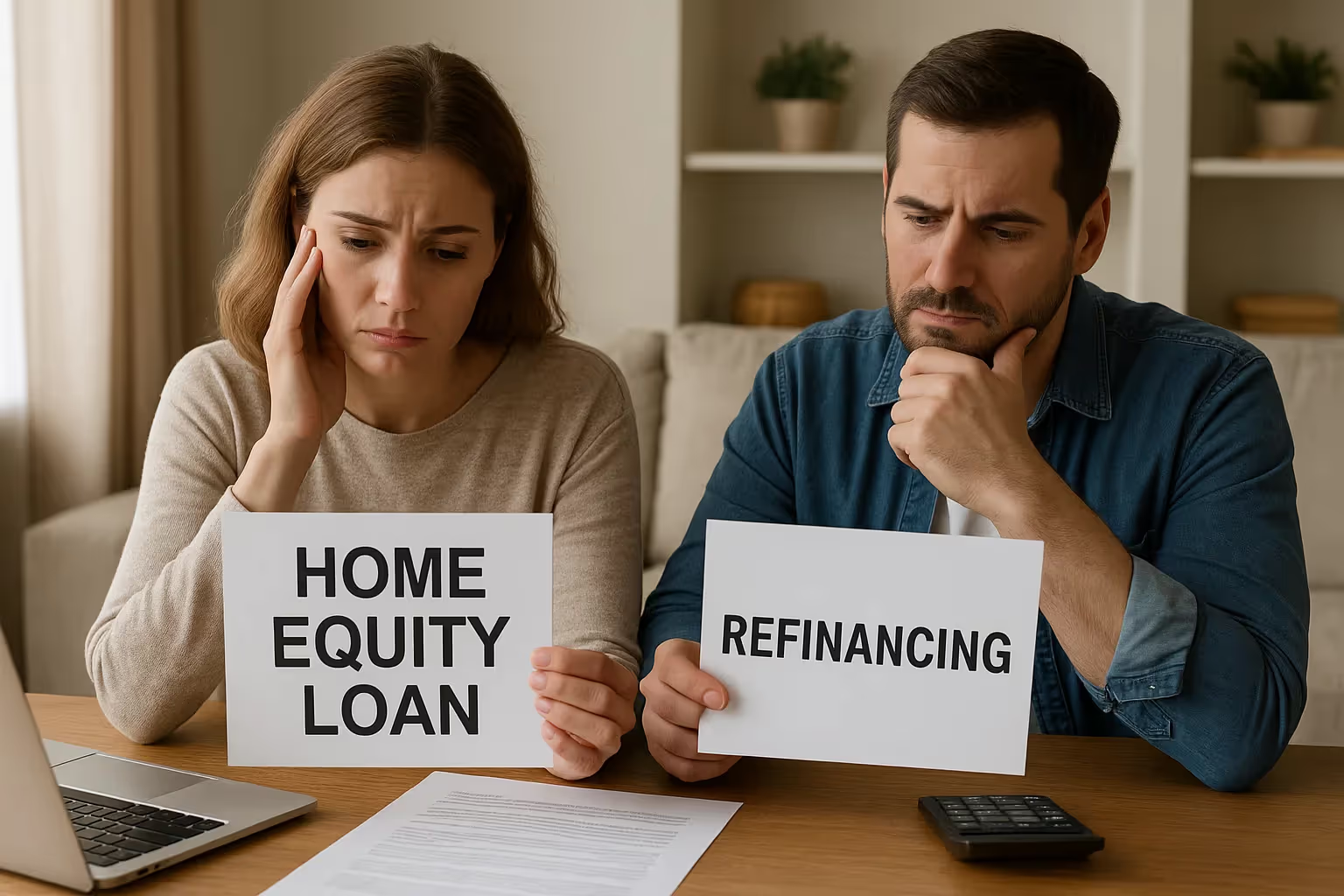
Refinancing your mortgage basically means you're paying off your current home loan with a brand new one. Think of it like getting a fresh start on your mortgage. You're essentially replacing your existing loan with a new one, which could have a different interest rate, a different loan term, or even be with a different lender altogether. The main goal is usually to get better terms that fit your current financial situation, like lowering your monthly payments or switching from an adjustable rate to a fixed rate.
Key Differences: Refinancing vs. Renewing
It's easy to mix up refinancing and renewing, but they're not quite the same thing. Renewing your mortgage typically happens at the end of your term (usually every five years) with your current lender. You're essentially signing up for a new term, often at a new interest rate, but the core loan details don't change much. Refinancing, on the other hand, is a more significant change. You're closing out your old mortgage entirely and opening a new one. This can involve a different lender, a different loan term (like switching from a 30-year to a 15-year, or vice versa), and often comes with closing costs. You might also have to pay penalties to break your current mortgage contract early.
When Refinancing Might Not Be the Best Move
While refinancing sounds great, it's not always the smartest financial play. Sometimes, the costs involved can outweigh the benefits. For instance, if your current mortgage has a hefty prepayment penalty, paying that just to get a slightly lower interest rate might not make sense. You could end up paying more in the long run. Also, if you're looking to lower your monthly payments by extending your loan term even further, remember that you'll be paying interest for a longer period, which increases the total amount you repay over the life of the loan. It's a trade-off, and you need to figure out if it works for you.
It's important to look at the whole picture. Refinancing isn't just about the interest rate; it's about the total cost over time, the fees you pay upfront, and how it fits with your life goals.
Here's a quick look at some common scenarios:
- High Prepayment Penalties: If breaking your current mortgage costs a lot, it might be better to wait until your term is up.
- Extending the Loan Term: Lower monthly payments sound good, but paying interest for many more years can add up significantly.
- Short-Term Ownership: If you plan to sell your home in a few years, the closing costs of refinancing might not be worth it.
- Minimal Interest Rate Drop: If the current rates are only slightly lower than yours, the costs of refinancing might eat up any savings.
Evaluating the Benefits of a 30-Year Mortgage Refinance
So, you're thinking about refinancing your 30-year mortgage. It sounds like a big deal, and honestly, it can be. But there are some pretty good reasons why people consider it. The main draw? Making your monthly payments more manageable. It’s like getting a little breathing room in your budget.
Lowering Your Monthly Payments
This is usually the biggest reason folks look into refinancing. By stretching out the time you have to pay back your loan, your monthly payment goes down. It’s not magic, it’s just math. You’re spreading the same amount of money over more payments, so each one is smaller. This can be a lifesaver if your income has changed or if unexpected expenses pop up. Think about it: if your payment drops by a few hundred bucks a month, that’s money you can use for other things.
Increasing Affordability and Cash Flow
When your monthly mortgage payment is lower, it just makes your home more affordable, right? This extra cash can go a long way. Maybe you want to save more for retirement, pay down other debts, or even just have a bit more wiggle room for everyday life. It gives you more flexibility. For example, if you have kids and daycare costs are rising, lowering your mortgage payment can make a huge difference in your family's financial picture.
Potential for Faster Equity Building
This one might sound a little backward. You might think a longer loan term means slower equity building. And usually, that's true. But in certain situations, like if your home's value is going up significantly, refinancing into a 30-year term could actually help you build equity faster. How? Well, if your home appreciates a lot, the value increase might outpace the slower principal payments you're making. It's a bit of a gamble, depending on the market, but it's something to consider if you're in a hot real estate area.
Refinancing can offer immediate financial relief by reducing your monthly mortgage obligation. This isn't just about saving a few dollars; it's about improving your overall financial health and creating more room in your budget for other important life goals or unexpected needs.
Considering the Drawbacks of a 30-Year Mortgage Refinance
Okay, so refinancing your 30-year mortgage sounds pretty sweet with those lower payments, right? But hold on a sec, it's not all sunshine and rainbows. We gotta talk about the not-so-great stuff too, so you know exactly what you're getting into.
Higher Overall Interest Costs
This is a big one. When you stretch out your loan for another 30 years, or even just extend the time you have left on it, you're going to end up paying more interest over the long haul. Think of it like buying something on a payment plan versus paying cash – the payment plan usually costs you more in the end. Even if your new interest rate is lower than your old one, the fact that you're paying interest for a much longer period can really add up.
Let's look at a quick example:
See how refinancing to a new 30-year term still means paying more interest than your original loan, even with a lower rate? But refinancing to a shorter term saves a ton. It really shows how much that extra time matters.
Longer Debt Repayment Period
Another thing to think about is just how long you'll be in debt. Signing up for another 30 years means you'll be making mortgage payments well into your retirement years, or at least for a much longer stretch than you might have planned. This can feel like a heavy weight, especially if you were hoping to be mortgage-free sooner rather than later. It might also affect how much you can save for other big life goals, like retirement or helping your kids with college.
Slower Equity Build-Up in Certain Markets
When you refinance into a new 30-year term, your monthly payments are often structured so that more of your money goes towards interest in the early years, and less towards the principal. This is the opposite of what happens in the later years of a mortgage. So, while your monthly payments might be lower, you're not building up your ownership stake (equity) in your home as quickly as you were before. This can be a real bummer, especially if you live in an area where home values aren't going up much, or if they're even going down. You could end up owing more than your house is worth, which is a tough spot to be in.
Refinancing to a longer term might seem like a good way to lower your monthly bills, but it often means you'll pay more interest over time and build equity at a slower pace. It's a trade-off you need to be comfortable with, especially when you consider how long you'll be paying off the loan.
So yeah, while refinancing can be a smart move, don't forget to look at the downsides. It’s all about making sure the benefits you get outweigh these potential drawbacks for your specific situation.
Key Factors When Considering a 30-Year Mortgage Refinance
So, you're thinking about refinancing that 30-year mortgage. It sounds like a good idea, right? Lower payments, maybe? But hold on a sec. Before you jump in, there are a few really important things to chew on. It's not just about getting a new rate; it's about how it fits into your whole money picture.
Current Interest Rates vs. Refinance Rates
This is probably the first thing most people look at. Are the rates out there now lower than the one you're currently paying? It sounds simple, but it's worth digging into. If you can snag a significantly lower rate, that's a big win. We're talking about saving money every single month, and over the years, that adds up. A good rule of thumb used to be a 2% drop, but these days, even a 1% difference can make a difference. Use a mortgage calculator to see what a new rate would actually do for your payments. It's a pretty eye-opening exercise.
Prepayment Penalties and Closing Costs
Okay, so you found a great new rate. Awesome! But wait, what about the costs to get there? Refinancing isn't free. You'll have closing costs, kind of like when you first bought the house. These can include things like appraisal fees, title insurance, and lender fees. Also, check your current mortgage for any prepayment penalties. Some loans charge you extra if you pay them off early, and refinancing counts as paying it off early. You need to figure out if the money you save on the new loan will actually be more than these upfront costs. It’s a balancing act.
Your Long-Term Financial Goals
This is where things get a bit more personal. Why did you get a 30-year mortgage in the first place? Was it to keep payments low so you could invest elsewhere? Or maybe you wanted to pay it off faster? Refinancing can change that. If you refinance into another 30-year loan, you're extending how long you'll be paying for your house. Think about your retirement plans or other big financial milestones. Does a longer debt period fit with those plans? It's easy to get caught up in the monthly savings, but looking at the big picture is super important.
Assessing Your Risk Tolerance
How do you feel about risk? If you have a fixed-rate mortgage now, you know exactly what your payment will be. If you're thinking about refinancing into an adjustable-rate mortgage (ARM) because the initial rate is lower, you're taking on some risk. Rates can go up, and so will your payments. On the flip side, if you have an ARM and rates are falling, refinancing to a fixed rate could lock in a good, stable payment for the long haul. It really depends on whether you prefer predictability or are comfortable with potential changes for possible savings.
Refinancing isn't just about the numbers; it's about aligning your mortgage with where you want your life to go financially. Don't just chase a lower rate without thinking about the total cost and how it impacts your future plans.
Here are some things to keep in mind:
- Credit Score: Lenders will check your credit. A better score usually means better rates. If yours isn't great, maybe work on improving it before you apply.
- Home Equity: Do you have enough equity in your home? If your home's value has dropped, you might not qualify for a refinance. Lenders want to see you have a decent amount of equity built up.
- Debt-to-Income Ratio (DTI): This is what lenders look at to see how much of your income goes towards debt. A lower DTI generally makes you a more attractive borrower. Check your DTI to see where you stand.
Navigating the Refinance Process for Your 30-Year Mortgage

So, you've decided refinancing might be the way to go. That's great! But before you get too excited about those lower payments or extra cash, let's talk about actually getting it done. It's not just a simple click of a button; there are steps involved, and being prepared makes a huge difference. Think of it like getting ready for a big trip – you wouldn't just show up at the airport, right? You pack, you check your tickets, you figure out how you're getting to the airport. Refinancing is kind of like that, but for your house.
Gathering Necessary Financial Documentation
This is where you become a bit of a financial detective. Lenders want to see the whole picture of your money situation. They need to know you're a safe bet. So, start digging out:
- Proof of Income: Recent pay stubs (usually the last 30 days), W-2s or 1099s from the last two years, and your most recent tax returns (again, usually two years' worth). If you're self-employed, be ready for more paperwork.
- Asset Statements: Bank account statements (checking and savings), investment account statements, and any other places you keep your money. They want to see you have reserves.
- Debt Information: Details on your other loans – car loans, student loans, credit card balances. This helps them figure out your debt-to-income ratio.
- Current Mortgage Statement: You'll need this to show your current loan balance, interest rate, and payment history.
- Identification: Driver's license, Social Security card, etc. The usual stuff.
Having all these documents organized and ready to go will speed things up considerably. It shows you're serious and makes the lender's job easier, which is usually a good thing for you.
Understanding the Impact on Your Overall Debt Load
Refinancing isn't just about your mortgage; it's about your entire financial picture. When you refinance, you're essentially taking on a new debt. It's important to see how this new debt fits in with everything else you owe.
Lenders look closely at your debt-to-income ratio (DTI). This is basically a comparison of how much you owe each month versus how much you earn. A high DTI can make it harder to get approved for a refinance, or it might mean you don't get the best interest rate. It's also a good personal check – can you really afford another monthly payment, even if it's lower than your current one, without feeling squeezed?
Think about it: if you're refinancing to lower your monthly mortgage payment, but you're also planning to take out cash to pay off other debts, you need to make sure the new, combined payment is still manageable. Sometimes, extending the loan term to get a lower payment means you'll pay more interest over the long haul. It's a trade-off, and you need to decide what works best for your budget and your long-term goals.
Negotiating Your New Mortgage Terms
Once you've got your application approved and you know what the lender is offering, it's not always set in stone. There can be room for negotiation, especially if you've shopped around and have other offers. Don't be afraid to ask questions and see if you can get a better deal.
- Interest Rate: This is usually the biggest one. If you have a strong credit score and a good financial profile, you might be able to push for a slightly lower rate than what was initially offered.
- Closing Costs: These can add up. See if the lender is willing to waive certain fees or roll them into the loan. Sometimes, paying a slightly higher interest rate to have fewer upfront costs makes sense, and vice-versa.
- Loan Terms: While you're likely sticking with a 30-year mortgage if that's what you're refinancing, double-check all the details. Make sure the repayment schedule, any fees, and other conditions are exactly what you expect.
Remember, the lender wants your business, but you also hold some cards. Being informed about current market rates and understanding your own financial strengths puts you in a better position to negotiate.
Making the Right Decision for Your 30-Year Mortgage
So, you've looked at all the angles, crunched the numbers, and now it's time to decide. Should you go ahead with refinancing your 30-year mortgage? This isn't a decision to take lightly, and it really comes down to your personal situation and what you want your money to do for you.
Calculating Your Break-Even Point
Before you sign anything, you absolutely need to figure out your break-even point. This is the magic number of months it will take for the savings from your new, lower monthly payment to cover all the costs you paid to refinance. Think of it as the point where you start actually saving money. If you plan to move or refinance again before you reach this point, then refinancing probably isn't worth it.
Here's a simple way to think about it:
- Total Refinance Costs: Add up all the fees – appraisal, title insurance, lender fees, etc. This is your initial investment.
- Monthly Savings: Subtract your new monthly mortgage payment from your old one. This is how much you save each month.
- Break-Even Point (in months): Divide the Total Refinance Costs by your Monthly Savings.
Let's say your closing costs were $5,000 and your new payment is $200 less per month. Your break-even point is $5,000 / $200 = 25 months. So, after 25 months, you'll have recouped your costs and will start seeing actual savings.
Seeking Professional Mortgage Advice
Look, I'm just a blog writer, and while I can explain the basics, I'm not a mortgage expert. That's why talking to a professional is so important. They can look at your specific financial picture – your income, your credit score, your debts, and your future plans – and give you advice tailored just for you. They know the market, they know the products, and they can help you avoid costly mistakes.
Don't just rely on online calculators or what your neighbor did. A good mortgage broker or loan officer can explain the fine print, compare different lenders, and help you understand the long-term implications of your decision. They're there to help you make the smartest move for your financial health.
When to Move Forward and When to Wait
So, when is it a clear 'yes' and when is it a 'hold on a minute'?
- Move Forward If:
- You plan to stay in your home for at least five years past your break-even point.
- Your credit score has improved significantly since you got your current mortgage.
- Current interest rates are substantially lower than your existing rate.
- You need to lower your monthly payments to improve your cash flow.
- Wait or Reconsider If:
- You're planning to sell your home in the next few years.
- The closing costs are very high compared to your monthly savings.
- Interest rates are higher now than when you got your current mortgage.
- Your financial situation is unstable, and you're not sure about your future income.
Ultimately, refinancing is a tool. Like any tool, it's only useful if you use it correctly for the right job. Take your time, do your homework, and get some expert opinions before you make the leap.
Wrapping It Up
So, should you refinance that 30-year mortgage? It really boils down to your personal situation. We've looked at how lower monthly payments can free up cash, but also how you'll likely pay more interest over the long haul. Refinancing can be a smart move to get better terms or tap into your home's value, but don't forget about those closing costs and potential penalties. It's not a one-size-fits-all deal. Take the time to crunch the numbers, think about your own financial goals, and maybe chat with a pro. Making an informed choice now can make a big difference down the road.
Frequently Asked Questions
What exactly is refinancing a 30-year mortgage?
Refinancing is like swapping out your old mortgage for a brand new one. You might get a different interest rate or change how long you have to pay it back. It's a way to potentially get better terms or lower your monthly payments.
When should I think about refinancing my mortgage?
It's a good idea to consider refinancing if interest rates have dropped significantly since you got your current mortgage, or if your financial situation has changed and you need lower monthly payments. It can also be helpful if you want to pay off other debts.
What are the main benefits of refinancing a 30-year mortgage?
The biggest perks are usually lower monthly payments, which gives you more breathing room in your budget. Sometimes, you can also pay off your mortgage faster or use the equity in your home for other needs.
Are there any downsides to refinancing?
Yes, there can be. You'll likely have to pay fees to set up the new mortgage, which can add up. Also, if you extend the time you have to pay back the loan, you could end up paying more interest overall, even if your monthly payments are lower.
How do I know if refinancing is worth the cost?
You need to figure out your 'break-even point.' This is the point where the money you save from the new mortgage adds up to the amount you spent on fees. If you plan to stay in your home longer than that break-even point, it's usually a good deal.
Should I talk to a professional before refinancing?
Absolutely! Talking to a mortgage expert or financial advisor is super important. They can help you compare your current mortgage with new options, figure out all the costs, and make sure refinancing is the best move for your specific financial situation and goals.












Get in touch with a loan officer
Our dedicated loan officers are here to guide you through every step of the home buying process, ensuring you find the perfect mortgage solution tailored to your needs.
Options
Exercising Options
Selling
Quarterly estimates
Loans
New home

Stay always updated on insightful articles and guides.
Every Monday, you'll get an article or a guide that will help you be more present, focused and productive in your work and personal life.








.png)
.png)
.png)
.avif)
.avif)
.avif)
.png)
.png)
.png)
.avif)
.png)
.png)
.avif)
.png)
.avif)
.png)
.avif)
.avif)