


Unlock Savings: Expert Guide to 15 Year Mortgage Rates for Refinancing in 2025
December 5, 2025
Explore 15 year mortgage rates for refinancing in 2025. Get expert tips on comparing rates, understanding costs, and maximizing savings for your 15 year mortgage refinance.

Thinking about refinancing your mortgage in 2025? You might be looking at a 15-year mortgage, and that's a smart move for many. This guide is all about helping you understand 15 year mortgage rates refinance, so you can figure out if it's the right path for you. We'll break down what you need to know, from current trends to how it all works.
Key Takeaways
- Comparing 15 year mortgage rates refinance now could lead to significant savings over the life of your loan.
- Refinancing to a 15-year loan means higher monthly payments but a faster payoff and less total interest paid.
- Consider refinancing into a 15-year mortgage if your income has increased or if current rates are much lower than your existing loan.
- Be aware of the costs associated with refinancing, such as appraisal fees and legal costs, and calculate your break-even point.
- Working with a mortgage professional can help you find the best 15 year mortgage rates refinance options and avoid potential pitfalls.
Today's National 15-Year Refinance Rate Trends
Alright, let's talk about where 15-year mortgage refinance rates are at right now, as of December 6, 2025. Things have been a little up and down lately, which is pretty normal for the market. The national average for a 15-year fixed refinance is currently sitting around 6.13%. That's a slight tick up from where it was just last week, when it was closer to 6.02%. On the flip side, the average rate for a 15-year fixed mortgage itself (not refinance) has dipped just a hair, now at 5.57% compared to 5.58% last week.
It's a bit of a mixed bag, but the main takeaway is that rates are still fluctuating. This is exactly why comparing offers from different lenders is so important. You might find rates that are quite a bit better than these national averages, and that can add up to some serious savings over the life of your loan.
Here's a quick look at how things have been moving:
- 15-Year Fixed Refinance Rate: Around 6.13% (as of Dec 6, 2025)
- Previous Week's Rate: Around 6.02%
- 15-Year Fixed Mortgage Rate: Around 5.57%
Keep in mind that these are national averages. Your specific rate will depend on a lot of factors, including your credit score, how much equity you have in your home, and the lender you choose. It's always a good idea to get personalized quotes.
These averages are gathered from a survey of major lenders across the country. They're meant to give you a general idea of the market's movement, day by day. So, while these numbers are helpful, don't treat them as the final word on what you'll pay. Shopping around is your best bet to find a deal that works for you.
Why Compare 15-Year Refinance Rates Today?
Even though mortgage rates might seem a bit higher now compared to a few years back, the rates for a 15-year loan are usually a good bit lower than what you'd find on a 30-year loan. This difference can add up to significant savings over time.
When you're thinking about refinancing, it's always a smart move to shop around. Don't just stick with the first lender you talk to, or even your current bank. Different lenders have different offers, and some might have lower closing costs or better terms. It's worth checking out both online lenders and traditional banks. You might even find that working with a mortgage broker can present you with options from wholesale lenders you wouldn't find otherwise.
Here's why comparing rates right now makes sense:
- Lower Interest Rates: Generally, 15-year loans come with lower interest rates than their 30-year counterparts. This is because the lender is taking on less risk over a shorter period.
- Less Total Interest Paid: Because you're paying off the loan faster and at a lower rate, you'll pay much less interest over the life of the loan compared to a 30-year mortgage.
- Faster Equity Building: A shorter loan term means more of your monthly payment goes towards the principal balance, helping you build equity in your home more quickly.
As of Friday, December 5, 2025, the national average for a 15-year fixed mortgage refinance rate is hovering around 6.13%, which is up slightly from the previous week. However, the average rate for a 15-year fixed mortgage (for buying) is 5.57%. While these numbers can fluctuate, comparing them against your current rate is key. You can find current refinance rates to see how they stack up.
Refinancing to a 15-year loan makes the most sense when rates are significantly lower than your current 30-year loan. If you can refinance and not see a huge increase in your payment, it may be a good idea. Otherwise, you could just pay extra toward the principal on your 30-year mortgage and have the flexibility of a lower payment if you run into financial difficulty.
By taking the time to compare offers, you're positioning yourself to find the best possible deal for your financial situation and potentially save a good chunk of money over the next 15 years.
How to Refinance Into a 15-Year Loan
So, you're thinking about switching your mortgage to a 15-year term. It's a pretty common move for folks looking to pay off their homes faster and save on interest. But how do you actually do it? It's not just a simple phone call, unfortunately. You'll basically be going through the mortgage application process all over again, just with a different loan.
First things first, you need to figure out if you even qualify. Lenders want to see that you can handle the higher monthly payments that come with a shorter loan term. This usually means having a good credit score – think 620 or higher for most conventional loans. They'll also look at your income and debt-to-income ratio to make sure you're not stretching yourself too thin. It's a good idea to get pre-approved early on to see what kind of rate and loan amount you might be looking at.
Here’s a general rundown of the steps involved:
- Shop Around: Don't just go with the first lender you find. Rates and fees can vary quite a bit. Compare offers from different banks, credit unions, and online lenders. Look at both the interest rate and the Annual Percentage Rate (APR), which includes fees.
- Gather Your Documents: You'll need proof of income (pay stubs, tax returns), bank statements, and details about your current mortgage and other debts.
- Apply for the New Loan: Submit your application and all the required paperwork to your chosen lender.
- Get an Appraisal: The lender will likely order an appraisal of your home to determine its current market value. This is to make sure the loan amount is in line with the property's worth.
- Underwriting: The lender's underwriter will review all your documentation and the appraisal to give final approval.
- Closing: Once approved, you'll sign the final loan documents, and the new 15-year mortgage will replace your old one. This is where you'll pay closing costs.
Refinancing means you're essentially taking out a new mortgage to pay off your old one. This involves a new application, new terms, and often, new closing costs. It's a significant financial decision, so doing your homework is key.
It's also worth noting that if your main goal is just to pay down your loan faster without the commitment of a higher monthly payment, you can often achieve similar results by simply making extra principal payments on your current 30-year mortgage. This way, you avoid closing costs and keep the flexibility of a lower minimum payment if your budget gets tight.
When to Consider a 15-Year Refinance
So, you're thinking about switching to a 15-year mortgage. That's a big move, and it makes sense to figure out if it's the right time for you. Generally, a 15-year refinance is a good idea if you've seen your income go up since you first got your current mortgage. Maybe you got a promotion, or your side hustle is really taking off. If you can comfortably handle a higher monthly payment, you'll pay off your home much faster and save a good chunk on interest over the life of the loan.
Another good sign is if the interest rates available today are significantly lower than what you're paying now. If you can refinance and your new payment isn't drastically higher than your current one, it's definitely worth looking into. This is especially true if you're currently paying for private mortgage insurance (PMI) on a loan like an FHA mortgage and can get rid of it with a new, conventional loan.
Here are a few scenarios where a 15-year refinance might be a smart play:
- Your income has increased: You took out a 30-year loan a few years back, but your salary has grown substantially. You can now afford the higher payments of a 15-year loan and want to be mortgage-free sooner.
- You're close to paying off your current loan: If you're already several years into a 30-year mortgage, refinancing to a 15-year loan can still cut down your remaining term significantly, especially if current rates are much better than your original rate.
- You want to pay less interest overall: Even if your income hasn't changed much, if you have some extra room in your budget and want to be aggressive about paying down debt and saving on interest, a 15-year loan is a solid choice.
- You're tired of paying mortgage insurance: If you have an FHA loan or a conventional loan with less than 20% equity, you're likely paying PMI. Refinancing into a 15-year loan could get you to 20% equity faster and eliminate that cost, potentially keeping your new payment manageable.
It's important to remember that while a 15-year loan means higher monthly payments, it also means you build equity in your home much faster. This can be a great way to build wealth, but make sure you're not stretching your budget too thin. Always consider your other financial goals and emergency savings before committing to a higher payment.
Think about your current financial picture and your long-term goals. If paying off your home quickly and saving on interest are high priorities, and you have the budget to support it, then a 15-year refinance could be a great option for you in 2025.
Pros and Cons of a 15-Year Mortgage Refinance
Thinking about switching your mortgage to a 15-year term? It's a big decision, and like most things in life, there are good points and not-so-good points to consider. Let's break them down.
The Upside: Why a 15-Year Refi Might Be Your Best Move
- Save a Bundle on Interest: This is the big one. Because you're paying off your loan faster, a significant chunk of your payment goes towards the principal right from the start. Over 15 years, this means you'll pay way less in total interest compared to a 30-year loan. It's like getting a discount on the money you borrowed.
- Build Equity Faster: Since more of your monthly payment is chipping away at the actual loan balance, you'll own more of your home sooner. This can be great if you plan to sell in a few years or just like the feeling of building ownership.
- Predictable Payments: If you're refinancing into a fixed-rate 15-year loan, your principal and interest payment will stay the same for the entire life of the loan. This makes budgeting much easier, though remember that property taxes and homeowners insurance can still change.
The Downside: What to Watch Out For
- Higher Monthly Payments: This is the most common hurdle. Because you're cramming 15 years of payments into a shorter timeframe, your monthly bill will be noticeably higher than it would be on a 30-year loan. You really need to make sure your budget can handle it without feeling stretched too thin.
- Less Financial Breathing Room: Those higher payments can eat into your budget, leaving less money for other things. Think about saving for retirement, unexpected home repairs, or even just having a cushion for emergencies. If your income is tight, this could be a real problem.
- Potentially Lower Affordability: If you're looking to buy a more expensive home or refinance a larger loan amount, the higher monthly payments of a 15-year loan might mean you simply can't qualify for as much money as you could with a longer term.
Sometimes, people get worried about the higher monthly payments of a 15-year loan. A smart alternative is to stick with your current 30-year mortgage but simply start making extra principal payments each month. This way, you get many of the same benefits – paying less interest and finishing sooner – but you keep the flexibility of having a lower required payment if you hit a rough patch financially. You avoid closing costs too.
Here's a quick look at how the terms can affect your payments and total interest paid (assuming a $300,000 loan and a 6% interest rate):
As you can see, the 15-year loan payment is higher, but the savings on interest are massive.
Refinancing From an Adjustable-Rate Mortgage

So, you've got an adjustable-rate mortgage (ARM) right now. Maybe you took it out because you weren't planning on staying put for too long, or perhaps the initial lower payment was just what you needed to get by when you first bought the place. Life happens, though, and priorities change. If you're now looking at a longer-term future in your home, switching from an ARM to a 15-year fixed-rate mortgage can bring some serious peace of mind.
With an ARM, your interest rate can go up when market rates do. Think about a 5/1 ARM – that rate is usually fixed for five years, and then it starts adjusting. If rates climb, your monthly payment climbs too. That can make budgeting a real headache. Switching to a 15-year fixed loan means your interest rate and your principal and interest payment will stay the same for the entire life of the loan. This predictability is a big deal for long-term financial planning.
Here's why making the switch might be a smart move:
- Payment Stability: No more guessing games about what your mortgage payment will be next year or in five years. It's set.
- Faster Equity Building: A 15-year term means you'll pay off your mortgage much quicker than with a longer term, building equity faster.
- Potential Interest Savings: By paying down the principal faster and often securing a fixed rate, you can save a significant amount on the total interest paid over the life of the loan.
Of course, the monthly payment on a 15-year loan will likely be higher than your current ARM payment, especially if your ARM hasn't started adjusting yet. You'll need to make sure your budget can handle that increase comfortably. But the trade-off is a clear path to homeownership and potentially much lower total interest costs.
When you have an ARM, there's always that underlying worry about future rate hikes. Refinancing into a 15-year fixed loan takes that uncertainty off the table. It's about trading potential future payment shocks for a predictable, albeit higher, monthly cost that gets you debt-free sooner.
Potential Savings From Refinancing
So, you're thinking about refinancing your mortgage, maybe into a 15-year loan. The big question on everyone's mind is, "How much money can I actually save?" It's not just about getting a lower monthly payment, though that's a nice perk. Refinancing, especially when rates drop, can really change your financial picture.
The most significant savings usually come from reducing your interest rate. Even a small dip in the percentage can add up to thousands of dollars over the life of your loan. When you switch to a 15-year term, you're also paying down your principal faster, which means less interest accrues over time.
Let's look at a quick example. Imagine you have a $300,000 mortgage balance. If you currently have a 5% interest rate and you refinance to a 3.5% rate on a 15-year term:
See? That's over $180 back in your pocket every month, and more than $32,000 saved on interest by the time you're mortgage-free. Pretty neat, right?
Beyond just interest, refinancing can also help you:
- Pay off your mortgage faster: Switching to a 15-year term means you'll be debt-free in half the time compared to a 30-year loan. This gives you a clear end date for your mortgage payments.
- Access home equity: If your home's value has gone up, you might be able to borrow against that equity. This cash could be used for home improvements, paying off other debts, or even investing.
- Consolidate debt: Sometimes, you can roll other high-interest debts, like credit cards, into your mortgage. This can lower your overall monthly payments and simplify your finances.
Keep in mind that refinancing isn't free. There are closing costs involved, similar to when you first bought your home. These can include things like appraisal fees, legal costs, and sometimes even prepayment penalties on your old loan. It's super important to calculate your "break-even point" – how long it will take for your monthly savings to cover these upfront costs. If you plan to move or refinance again before you reach that point, it might not be worth it.
Costs of Refinancing
Refinancing your mortgage isn't quite like getting a new one, but it's not free either. There are several costs you'll likely run into, and it's smart to know what they are before you jump in. You'll want to make sure the money you save in the long run is more than what you spend upfront.
Here's a breakdown of what you might expect:
- Prepayment Penalties: If your current mortgage has a term that's not up yet, your old lender might charge you a penalty for paying it off early. This can sometimes be a few months' worth of interest or something called an Interest Rate Differential (IRD), whichever is more. It's worth checking your current loan documents to see if this applies to you.
- Appraisal Fee: The new lender will probably want to know what your house is worth today. They'll hire an appraiser, and you'll usually cover that cost. It typically runs between $300 and $600.
- Legal Fees: Just like when you bought your home, you'll need a lawyer or notary to handle the paperwork for the new loan. Budget anywhere from $800 to $2,000 for these services.
- Title Search and Insurance: This makes sure the title to your property is clear and protects the new lender. Costs can vary but are often a few hundred dollars.
- Recording Fees: The county or city will charge a small fee to record the new mortgage documents.
- Lender Fees: Some lenders might have their own processing or origination fees, though these can sometimes be negotiated or rolled into the loan.
It's a good idea to get a clear list of all potential costs from your lender early on. You'll want to calculate your "break-even point" – how long it takes for your monthly savings to cover these initial refinancing expenses. If you plan to move before you reach that point, refinancing might not make financial sense.
Real-World Refinancing Example
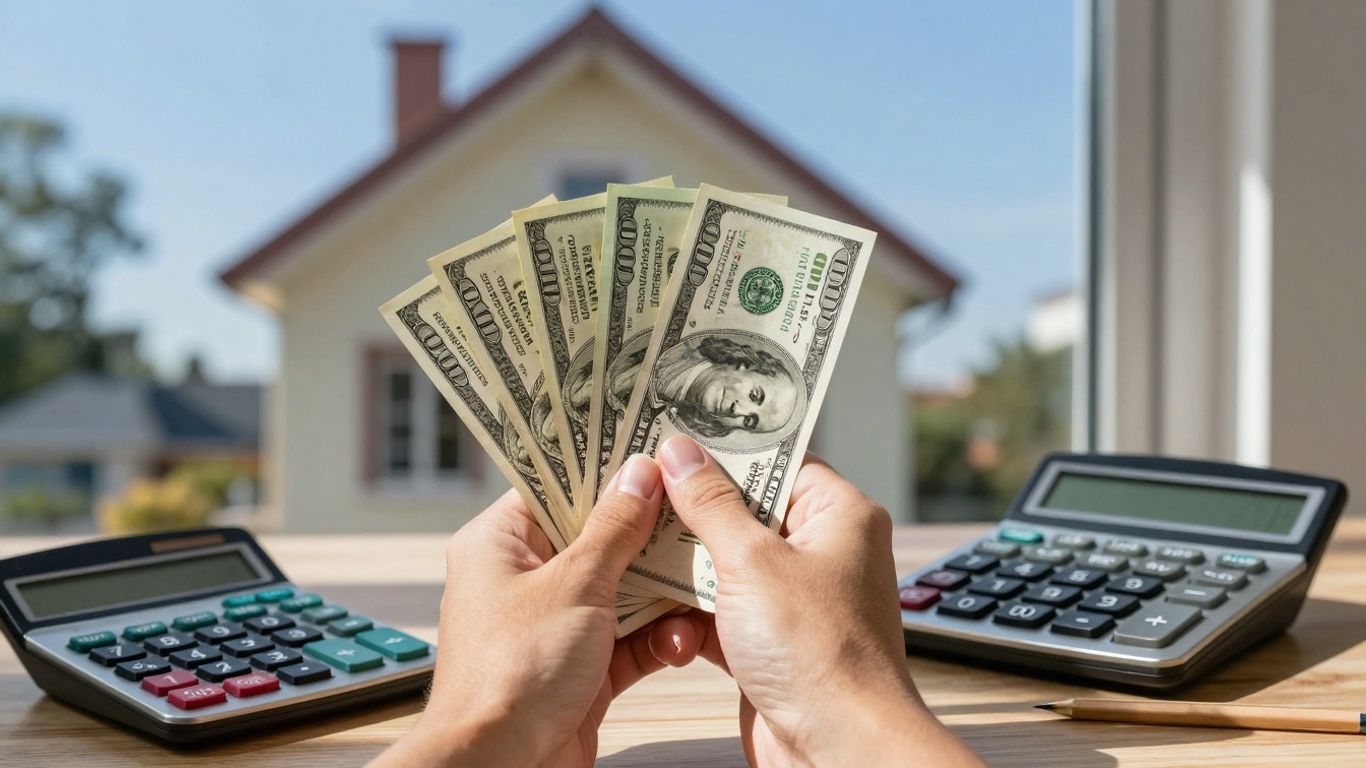
Let's look at a hypothetical situation to see how refinancing into a 15-year mortgage could play out. Imagine Sarah and Tom. They currently have a 30-year mortgage with a balance of $300,000 and an interest rate of 4.5%. They've been paying for 5 years, so they have 25 years left on the original term. Their current monthly principal and interest payment is about $1,520.
They're thinking about refinancing into a 15-year mortgage. The current rates for a 15-year fixed mortgage are around 3.5%. If they refinance, their new loan would also be for $300,000, but the term would be 15 years.
Here's a quick breakdown of what that could look like:
As you can see, the monthly payment would go up by about $625. That's a significant jump, and it's important to make sure that fits into their budget. However, by making that higher payment, they'd pay off their mortgage much faster – 10 years sooner, in fact.
The total interest saved over the life of the loan would be substantial, potentially over $97,000.
Of course, there are closing costs associated with refinancing, which we'll cover later. But for Sarah and Tom, the appeal of being mortgage-free a decade earlier, plus the significant interest savings, makes this a very attractive option to consider.
This example highlights the trade-off: a higher monthly payment for faster payoff and less interest paid overall. It's not just about the rate; it's about the loan term and how it aligns with your financial goals and current budget.
Working With a Mortgage Professional
Thinking about refinancing your mortgage, especially into a 15-year loan, can feel like a lot. There are so many numbers and terms to sort through. That's where a mortgage professional really comes in handy. They're basically guides who know the ins and outs of the mortgage world.
These pros can help you compare different lenders and find rates that actually fit your situation. They have access to a wider range of options than you might find just browsing online, and they understand how to read all the fine print. This can save you a ton of time and, more importantly, money.
Here’s what they can do for you:
- Shop Around: They'll reach out to multiple lenders to get you the best possible 15-year refinance rate. This saves you the hassle of calling everyone yourself.
- Explain the Details: Mortgages have a lot of moving parts – points, fees, closing costs. A professional can break all that down so you know exactly what you're signing up for.
- Spot Pitfalls: They can help you avoid common mistakes, like getting locked into a loan with hidden fees or penalties that eat up your savings.
- Match You Up: They'll help figure out if a 15-year refinance is truly the right move for your financial goals, considering your income and how long you plan to stay in your home.
Sometimes, the best deal isn't just about the lowest advertised rate. A good mortgage broker looks at the whole picture – your credit, the loan terms, and any associated costs – to find the most beneficial option for your long-term financial health.
Don't be afraid to ask questions. A good mortgage professional wants you to be comfortable and confident with your decision. They're there to make the refinancing process smoother and help you get the most out of your money.
15-Year Refinance Mortgage FAQs
So, you're thinking about refinancing into a 15-year mortgage? That's a big step, and it's smart to have questions. Let's clear some things up.
What exactly is a 15-year refinance mortgage? Basically, it's swapping your current home loan for a new one that you'll pay off in 15 years, instead of your original term. People usually do this to save money, either by getting a lower interest rate, paying off the loan faster, or both. Just remember, the monthly payments on a 15-year loan are typically higher than on a 30-year loan, even if the rate is lower.
Here are some common questions people have:
- What are the main benefits? You'll pay less interest overall because the loan term is shorter and rates are often lower for 15-year loans. You'll also build equity in your home much faster. Plus, if you get a fixed-rate loan, your payments stay the same, which helps with budgeting.
- What are the downsides? The biggest one is the higher monthly payment. This can make it harder to afford other things, like saving for retirement or unexpected expenses. You might also not qualify for as large a loan amount because of the higher payment.
- When does it make sense to refinance into a 15-year loan? It's a good idea if your income has gone up since you got your current mortgage, and you can comfortably handle the higher payments. It also makes sense if the interest rates you can get now are significantly lower than your current rate, making the payment jump manageable. Sometimes, if you're already halfway through a 30-year loan, refinancing to a 15-year term can be a smart move to pay it off quicker.
You don't necessarily have to refinance to get the benefits of a 15-year loan. Many lenders let you make extra payments on your existing 30-year mortgage. This can help you pay less interest and pay off your home sooner, without the closing costs of a refinance. Plus, you keep the flexibility of your lower original payment if you hit a rough patch financially.
Here's a quick look at how rates have been doing:
Keep in mind that these are national averages, and your actual rate could be different. It's always a good idea to compare offers from different lenders to find the best deal for you. You can check out current mortgage rate trends to get a better idea of what's available.
Wrapping It Up
So, looking at 15-year mortgage rates for refinancing in 2025, it's clear there are some good reasons to consider it. You could pay off your home faster and save a good chunk on interest over time. Just remember to crunch the numbers, figure out if the monthly payment jump makes sense for your budget, and don't forget about any closing costs involved. Comparing offers from different lenders is key, and if you're unsure, talking to a mortgage pro can really help sort things out. It might be the right move to get you closer to being mortgage-free sooner rather than later.
Frequently Asked Questions
What exactly is a 15-year mortgage refinance?
A 15-year mortgage refinance means you're swapping your current home loan for a new one that you'll pay off in 15 years. People often do this to save money over time by getting a lower interest rate or just to finish paying off their house sooner. Just keep in mind, the monthly payments are usually higher than with a 30-year loan.
Why should I think about refinancing to a 15-year loan right now?
It's a good idea to look into refinancing if you've gotten a raise and can handle a higher monthly payment, or if the interest rates available now are much lower than what you're currently paying. Refinancing to a 15-year loan can help you pay off your home much faster and save a lot on interest in the long run.
What are the good things about refinancing to a 15-year mortgage?
The main perks are that you'll likely get a lower interest rate compared to a 30-year loan, and you'll pay way less interest overall because you're paying the loan off faster. Plus, you'll build up ownership (equity) in your home more quickly.
Are there any downsides to a 15-year mortgage refinance?
Yes, the biggest one is that your monthly payments will be higher than they are now, or what they would be with a longer loan term. You need to make sure you can comfortably afford this higher payment.
How much money could I save by refinancing to a 15-year loan?
The amount you save depends on how much you owe, your current interest rate, and the new rate you get. Generally, paying off your loan faster and with a lower rate means you'll pay significantly less interest over the life of the loan. It's worth running the numbers to see your specific savings.
What costs are involved when I refinance my mortgage?
Refinancing isn't free. You might have to pay for things like an appraisal to check your home's value, fees for processing the new loan, and possibly legal costs. These are often called closing costs, and they can add up, so it's important to figure out when you'll start saving money after paying them.












Get in touch with a loan officer
Our dedicated loan officers are here to guide you through every step of the home buying process, ensuring you find the perfect mortgage solution tailored to your needs.
Options
Exercising Options
Selling
Quarterly estimates
Loans
New home

Stay always updated on insightful articles and guides.
Every Monday, you'll get an article or a guide that will help you be more present, focused and productive in your work and personal life.








.png)
.png)
.png)
.avif)
.avif)
.avif)
.png)
.png)
.png)
.avif)
.png)
.png)
.avif)
.png)
.avif)
.png)
.avif)
.avif)