


Unlock the Best Refinance Rates for Your Mortgage in 2025
December 1, 2025
Find the best refinance rates for your mortgage in 2025. Learn how to improve your credit, shop around, and lock in a great rate.

Thinking about refinancing your mortgage in 2025? It can be a great way to save money, maybe even thousands over time. But getting the best refinance rates mortgage isn't just about hoping for the best. It takes some planning and knowing what to look for. We'll go over some steps to help you get a better deal on your home loan.
Key Takeaways
- Improving your credit score is a big deal for getting better rates. Lenders look at this a lot. Try to pay down debts and check your credit report for mistakes.
- Don't just go with the first offer you get. Shop around and compare rates and terms from different banks, credit unions, and online lenders. Using comparison sites can help too.
- Understand all the costs involved, like closing costs and any prepayment penalties on your old loan. Make sure the savings from refinancing are worth these extra expenses.
- Decide if a fixed-rate or variable-rate mortgage is better for your situation. Fixed rates offer stability, while variable rates can be lower initially but might go up.
- Figure out your break-even point. This is how long it will take for your monthly savings to cover the costs of refinancing. If you plan to move before you reach that point, it might not be worth it.
Improve Your Credit Score
Your credit score is a big deal when it comes to getting a good refinance rate. Think of it as your financial report card. Lenders look at it to see how risky it might be to lend you money. A higher score generally means a lower interest rate for you, which can save you a lot of cash over time.
So, what can you do to get that score looking its best before you apply?
- Check your credit report: Seriously, get a copy. You can usually get one for free from the main credit bureaus. Look it over carefully for any mistakes. Sometimes, there are errors like accounts that aren't yours or incorrect late payments. Fixing these can give your score a quick boost.
- Pay down your debts: This is a big one. Focus on reducing your credit card balances. The less credit you're using compared to your total limit (that's your credit utilization ratio), the better it looks. If you have other loans, paying those down too can help.
- Avoid opening new credit: Applying for new credit cards or loans right before you refinance can actually ding your score a bit because of the hard inquiries. It's best to hold off until after your refinance is complete.
Lenders want to see that you're responsible with money. Showing them a history of on-time payments and keeping your credit card balances low are key indicators they look for. It's like building trust, and a good credit score is a major part of that.
If your score isn't where you want it, don't panic. Start working on these things now, and you'll be in a much better position when it's time to look for that new mortgage rate in 2025.
Shop Around
Okay, so you've decided to refinance. That's a big step, and it could save you a good chunk of change. But here's the thing: don't just go with the first lender you talk to, or even your current bank. Seriously, that's like buying the first car you see on the lot without checking any others. You've got options, and you need to explore them.
Think of it this way: different lenders have different appetites for risk, different overhead costs, and different marketing goals. This means they'll offer slightly different rates and terms. Some might have a killer rate but charge a ton in fees, while others might have a slightly higher rate but offer a smoother process. You need to see what's out there.
Here’s a basic game plan:
- Contact your current mortgage lender: See what they offer. It might be convenient, but don't assume it's the best.
- Reach out to other big banks: They all compete for business, so get quotes from a few.
- Look into credit unions and smaller lenders: Sometimes these places have really competitive offers, especially if you're already a member.
- Consider online lenders: They often have lower overhead and can pass those savings on.
- Talk to a mortgage broker: These folks work with multiple lenders and can do a lot of the legwork for you. They often have access to rates you might not find on your own.
The goal here is to get at least three to five solid quotes. Don't be shy about asking for their best rate and fee structure. You're the customer, and you hold the power to take your business elsewhere.
It's easy to get caught up in just the advertised interest rate, but that's only part of the picture. You really need to look at the total cost of the loan over its lifespan. This means factoring in all the fees, points, and any other charges that come with the refinance. Sometimes a slightly higher rate with significantly lower fees can end up saving you more money in the long run. Always ask for a full breakdown of all costs involved before you commit to anything.
Understand Closing Costs
When you refinance your mortgage, it's not just about the new interest rate. You'll also run into closing costs, which are fees associated with finalizing the new loan. These can add up, so it's important to know what you're getting into.
Think of closing costs as the price of admission for your new mortgage. They typically range from 2% to 6% of your loan amount. So, if you're refinancing a $300,000 loan, you could be looking at anywhere from $6,000 to $18,000 in these fees. That's a pretty significant chunk of change.
Here's a breakdown of what you might see on your closing statement:
- Origination Fees: This is a fee the lender charges for processing your loan application. It's often a percentage of the loan amount.
- Appraisal Fee: The lender will want to know the current value of your home, so they'll order an appraisal. This costs a few hundred dollars.
- Title Search and Insurance: This ensures there are no outstanding claims or liens on your property and protects the lender (and sometimes you) if issues arise.
- Attorney Fees: If you use a real estate attorney, you'll pay for their services.
- Recording Fees: The local government charges a fee to record the new mortgage documents.
- Credit Report Fee: The lender will pull your credit report, and you might pay for that.
It's really important to do the math on these costs. You need to figure out how long it will take for the money you save each month on your new, lower payment to cover all these upfront closing costs. If it takes, say, five years to break even, but you only plan to stay in your home for three, refinancing might not be the best move right now.
Some lenders might let you roll these closing costs into your new loan balance. This means you won't pay them out-of-pocket immediately, but your loan amount will be higher, and you'll pay interest on those fees over time. Alternatively, some lenders might offer to cover some of the closing costs if you accept a slightly higher interest rate on the loan. Weigh these options carefully to see what makes the most sense for your financial situation and how long you plan to keep the mortgage.
Evaluate Variable vs. Fixed Rates

When you're looking to refinance your mortgage, one of the biggest decisions you'll face is whether to go with a variable or a fixed interest rate. It's not a simple choice, and what's best for one person might not be right for another.
Fixed-rate mortgages offer the comfort of knowing your interest rate and monthly principal and interest payment will stay the same for the entire life of the loan. This predictability is great if you plan to stay in your home for a long time and want to budget with certainty. You won't have to worry about market ups and downs affecting your payment.
Variable-rate mortgages, on the other hand, start with an interest rate that's typically lower than what you'd get with a fixed rate. However, this rate can change over time, usually tied to a benchmark like the prime rate. This means your monthly payments could go up or down.
Here's a quick look at the pros and cons:
- Fixed Rate:
- Predictable payments, easy budgeting.
- Protection against rising interest rates.
- Can be slightly higher initially.
- Variable Rate:
- Often starts with a lower rate.
- Potential for lower payments if rates fall.
- Risk of higher payments if rates rise.
Historically, variable rates have often resulted in less interest paid over the life of the loan, especially if you plan to move or refinance before rates significantly increase. However, in recent times, we've seen periods where variable rates have actually climbed higher than fixed rates. It's a good idea to check out current mortgage rates to see how they stack up right now.
The decision really boils down to your risk tolerance and how long you plan to keep the mortgage. If stability is your top priority, a fixed rate is likely your best bet. If you're comfortable with some fluctuation and believe rates might decrease or stay low, a variable rate could save you money, but you need to be prepared for the possibility of higher payments down the road.
It's also worth noting that many lenders allow you to convert a variable rate to a fixed rate later on, often without a penalty, as long as you stay with the same lender. This can give you a chance to benefit from lower initial variable rates while keeping the option to switch to a fixed rate if market conditions become concerning.
Calculate Your Break-Even Point
So, you're thinking about refinancing your mortgage. That's great! It can definitely save you money. But before you jump in, you need to figure out if it's actually worth it. This is where calculating your break-even point comes in.
Basically, your break-even point is the amount of time it will take for the money you save from refinancing to cover all the costs associated with it. If you plan to move or sell your home before you reach that point, refinancing might not be the best move for you right now.
Here's how to get a handle on it:
- Figure out your savings: Look at your new, lower monthly payment and compare it to your old one. The difference is your monthly savings.
- Add up all the costs: This includes things like appraisal fees, title insurance, recording fees, and any points you might pay to get a lower rate. Don't forget any prepayment penalties from your old loan either.
- Divide the total costs by your monthly savings: This gives you the number of months it will take to break even.
Let's say you're refinancing and the total closing costs come out to $4,000. Your old monthly payment was $1,800, and your new one will be $1,650. That's a monthly saving of $150.
To find your break-even point, you'd divide $4,000 by $150. That comes out to about 26.7 months. So, it would take you roughly two years and three months to recoup the costs of refinancing through your monthly savings.
Knowing your break-even point helps you make a smart decision. It stops you from spending money on closing costs only to move before you actually start saving money in the long run.
If you plan to stay in your home for longer than your break-even period, then refinancing is likely a good financial step. If you think you might move sooner, it's worth reconsidering or looking for ways to reduce those upfront costs.
Consider Loan Type and Amortization
When you're looking to refinance, picking the right loan type and understanding amortization is pretty important. It's not just about the interest rate you see advertised; the structure of the loan itself can save you a lot of money over time, or cost you more. You've got a couple of main choices here: fixed-rate mortgages and adjustable-rate mortgages (ARMs).
With a fixed-rate mortgage, your interest rate stays the same for the entire life of the loan. This means your monthly payment for principal and interest will never change. It's predictable, which is great if you like knowing exactly what your housing payment will be each month. Many people stick with fixed rates because they don't want to worry about market ups and downs. In fact, a big chunk of Canadians tend to go for fixed rates.
On the other hand, an ARM usually starts with a lower interest rate than a fixed-rate loan. This can be appealing, especially if you plan to move or refinance again before the initial fixed period ends. However, after that initial period, your interest rate can go up or down based on market conditions. If rates climb, your monthly payment will increase, which could be a problem if your budget is tight. But, if rates fall, you could end up paying less. It's a bit of a gamble, but it can pay off if you time it right.
Then there's amortization. This is basically the total length of time you have to pay off your mortgage. You'll often see options like 15-year or 30-year amortization periods. A shorter amortization, like 15 years, means you'll pay off your loan faster. This usually comes with a lower interest rate, saving you a ton of money on interest over the life of the loan. The catch? Your monthly payments will be higher because you're cramming more principal repayment into fewer years. A longer amortization, like 30 years, means lower monthly payments, which can make your budget easier to manage. The downside is that you'll pay more interest overall because the loan is outstanding for a longer time. It's a trade-off between monthly affordability and total interest paid. You can use a mortgage calculator to see how different terms affect your payments.
Here's a quick look at how amortization length can impact your total interest paid:
- 15-Year Amortization: Higher monthly payments, significantly less total interest paid over the loan's life.
- 25-Year Amortization: A middle ground, balancing monthly payments and total interest.
- 30-Year Amortization: Lower monthly payments, but the highest total interest paid.
Choosing between a fixed or adjustable rate, and deciding on your amortization period, really depends on your personal financial situation and how long you plan to stay in your home. There's no single right answer for everyone.
Think about your long-term plans. If you're planning to sell your home in a few years, an ARM might be a good way to get a lower rate initially. If you plan to stay put for decades, a fixed rate with a shorter amortization might save you the most money in the long run. It's all about matching the loan structure to your life. You can explore options for paying off your mortgage faster.
Increase Your Home Equity
Want to get the best refinance rates? Boosting your home equity is a solid move. Think of equity as the portion of your home that you actually own, free and clear of any mortgage debt. The more equity you have, the less of a risk you appear to lenders, which often translates into better interest rates and terms when you refinance.
So, how do you actually build more equity? It's not just about waiting for your home's value to go up. You can actively work on it.
- Make Extra Mortgage Payments: Even small, regular extra payments can chip away at your principal balance faster than you might think. Many mortgages allow you to pay a certain percentage extra each year without penalty. Check your loan terms to see what's possible.
- Pay Down Other Debts: While not directly related to your mortgage, reducing your overall debt load, especially high-interest debt, can improve your financial profile. This can indirectly help your equity position by freeing up cash flow that could be used for mortgage payments or by improving your debt-to-income ratio, which lenders look at.
- Invest in Home Improvements: Strategic renovations can increase your home's market value. Focus on upgrades that offer a good return, like kitchen or bathroom remodels, or adding functional space. Just be sure the improvements align with your local market's preferences.
- Use Windfalls Wisely: If you receive a bonus, tax refund, or inheritance, consider putting a portion towards your mortgage principal. A lump-sum payment can significantly reduce your loan balance and, consequently, your loan-to-value (LTV) ratio.
A lower loan-to-value ratio is a big deal for lenders. It shows you have a smaller outstanding loan compared to your home's worth, making you a more attractive borrower.
Remember, lenders typically want to see a loan-to-value ratio below 80% to avoid requiring private mortgage insurance on a new loan. The closer you can get to this threshold, the better your chances of securing top-tier refinance rates.
If you're just looking to access cash and your current mortgage rate is already fantastic, you might want to explore a home equity line of credit (HELOC) instead of a full refinance. This lets you tap into your equity without touching your existing, potentially low-interest, mortgage.
Lock In Your Rate
So, you've done your homework, shopped around, and found a refinance rate that looks pretty sweet. Awesome! But here's the thing: mortgage rates can change, sometimes pretty quickly. That's where locking in your rate comes in. Think of it like putting a temporary hold on that great interest rate you qualified for. It gives you a specific window, usually 30 to 120 days, to get all your paperwork sorted and close the deal without worrying about the rate jumping up.
This rate lock is your protection against market fluctuations.
Here's a quick rundown of what to expect:
- Duration: Lenders offer different lock periods. Longer locks might cost a bit extra, but they give you more breathing room. Make sure you know the exact end date.
- Conditions: Read the fine print! Sometimes, making big changes to your loan application or delaying closing past the lock period can void it. You want to avoid any surprises.
- Float Down Option: Some lenders offer a "float down" option. This means if rates drop significantly before you close, you might be able to take advantage of the lower rate. It's not always standard, so ask about it.
Getting a rate lock is a key step in the refinancing process. It means you've secured a specific interest rate for a set time, allowing you to finalize your mortgage with confidence. It's a good idea to secure your rate as soon as you're comfortable with the offer you've received, especially if you see market trends heading upwards.
Locking in your rate is a critical step that provides certainty in an uncertain market. It prevents unexpected increases from impacting your monthly payments and overall loan cost. While it protects you from rising rates, remember it usually doesn't let you benefit from falling rates unless a specific clause is included.
Improve Your Financial Profile
Lenders really like it when your finances look steady and predictable. It just makes them feel more secure about lending you money. So, if you're thinking about refinancing, try to avoid making big financial changes right before or during the process. This means things like switching jobs, if possible. Most lenders want to see that you've had the same job or at least a consistent income for a couple of years. It shows you're reliable.
Getting your paperwork in order ahead of time can also make a big difference. Having things like recent pay stubs, your tax returns from the last couple of years, and your bank statements all ready to go can speed things up a lot. It also shows the lender you're organized and serious about this. It's like giving them a clear picture of your financial health without them having to chase you for details.
Showing lenders a stable employment history and consistent income is a big plus. It reassures them that you can handle your mortgage payments long-term.
Here are a few things to focus on:
- Stable Employment: Try to stay with your current employer if you can. A history of steady work is a strong indicator of financial stability.
- Consistent Income: Lenders look for predictable income. Avoid taking on significant new debt or making large, unusual purchases right before you apply.
- Organized Documentation: Gather all necessary financial documents well in advance. This includes pay stubs, tax returns, bank statements, and your current mortgage statement.
- Debt Management: While not directly part of your profile, having your debts in order (as discussed elsewhere) contributes to a stronger overall financial picture that lenders will see.
Negotiate With Lenders
So, you've done your homework, you've got a few offers in hand, and now it's time to see if you can get an even better deal. Don't just accept the first rate you're offered, okay? Lenders are in the business of making money, and they want your business. This means there's usually some wiggle room, especially if you've got other offers to show them.
Think of it like this: you've got a few different companies telling you what they'll charge you for the same service. If one company gives you a price, and another one offers it for less, you can go back to the first company and say, 'Hey, can you beat this?' Most of the time, they'll try. It's not about being difficult; it's just smart shopping.
Here’s a quick rundown on how to approach it:
- Gather Your Offers: Make sure you have the best offers from different lenders clearly written down. This is your proof.
- Identify Your Best Offer: Know which offer has the lowest rate, but also look at the fees. Sometimes a slightly higher rate with way fewer fees can be a better deal overall.
- Make the Ask: Contact the lenders you're less keen on, or even your preferred lender, and let them know you have a better offer. Ask if they can match or beat it.
- Consider the Whole Package: Don't get so focused on the interest rate that you forget about closing costs, points, or other fees. A lower rate might sound great, but if the upfront costs are sky-high, it might not be worth it.
Remember, lenders want to close loans. If you present yourself as a well-qualified borrower with competing offers, they're often willing to make concessions to earn your business. It's a negotiation, and being prepared is half the battle.
Sometimes, a lender might not be able to lower the rate, but they might offer to waive certain fees or give you a credit towards closing costs. Keep all these possibilities in mind as you talk to them. It’s all about getting the most bang for your buck on this big financial move.
Time Your Refinance Wisely
Figuring out the best moment to refinance your mortgage can feel like a guessing game, but it's really about watching a few key things. You don't want to jump in too early and pay a bunch of fees for minimal savings, but you also don't want to wait too long and miss out on a good rate.
The biggest factor is usually the interest rate environment. If rates have dropped significantly since you got your current mortgage, that's a big signal. A drop of 0.75% or more is often a good benchmark, but even smaller drops can make a difference if your current rate is high. Keep an eye on what the Federal Reserve is doing and listen to financial news; they often give clues about where rates might be headed.
Here's a quick look at what to consider:
- Your Current Rate vs. Market Rates: Compare what you're paying now to what lenders are offering today. Even a small difference can add up.
- How Long You Plan to Stay: If you plan to sell your home in a few years, the break-even point for closing costs is super important. You need to save enough each month to cover those upfront fees within your timeframe.
- Economic Indicators: Watch for news about inflation, economic growth, and central bank policy changes. These all influence mortgage rates.
Let's say you have a $300,000 mortgage at 7% and you find a refinance option at 6.25%. Your monthly payment could drop by about $170. If your closing costs are $4,500, it would take you roughly 26 months to recoup that expense ($4,500 / $170 per month). If you plan to move before then, it might not be worth it.
It's tempting to try and perfectly time the market, waiting for the absolute lowest rate. But honestly, if you see a refinance opportunity that offers clear savings and makes financial sense for your situation, it's often better to take it rather than trying to predict the future. Waiting too long could mean missing out on those savings altogether.
Don't forget to check out mortgage rate trends to get a better sense of the current market. Also, remember that the refinancing process itself takes time, so starting the application process well before you absolutely need the new rate is a good idea.
Seek Professional Advice
Sometimes, trying to figure out mortgage refinancing all on your own can feel like trying to assemble IKEA furniture without the instructions. It's a lot. That's where getting some help from the pros comes in handy. Think of financial advisors or mortgage brokers as your guides through this whole process.
These folks deal with this stuff every day. They know the ins and outs of the market and can help you spot things you might miss. For instance, they can explain all those confusing terms in your loan documents and help you figure out if a fixed or variable rate makes more sense for your situation. Plus, they often have access to deals or rates that aren't advertised to the general public. It's like having a secret weapon.
Here’s what they can do for you:
- Explain complex loan terms: They break down the jargon so you actually know what you're signing up for.
- Compare lender offers: They can sift through multiple options to find ones that fit your financial picture.
- Identify hidden costs: They help you see the full picture, including fees that might not be obvious at first glance.
- Save you time and stress: Let them handle some of the legwork so you can focus on other things.
Working with a professional can really simplify things. They can help you understand your options better and make sure you're not missing out on a better deal. It's about making an informed choice without all the usual headaches.
Don't hesitate to reach out to a mortgage broker or a financial advisor. They can offer personalized guidance based on your specific financial goals and current market conditions. Many homeowners are finding that using a broker is a smart move to secure competitive rates, especially with so many renewals happening in 2025. You can often find good brokers through recommendations or by checking out online comparison tools, which can give you a starting point for finding the right professional for you. Remember, getting expert advice is a key step in making sure your refinance works for you.
Work With a Mortgage Broker
Thinking about refinancing your mortgage can feel like a lot. There are so many options, and trying to figure out who has the best deal can be a real headache. That's where a mortgage broker can really come in handy. They're basically pros who work with a bunch of different lenders, not just one bank. This means they can shop around for you, comparing rates and terms from a wide variety of places.
A good broker can save you a ton of time and potentially a lot of money. They know the market, they know the lenders, and they often have access to deals that aren't advertised to the general public. It's like having a personal shopper for your mortgage. They can also help you understand all the confusing paperwork and jargon that comes with refinancing.
Here's what a mortgage broker can do for you:
- Access to Multiple Lenders: They aren't tied to a single institution, so they can pull offers from many banks and credit unions.
- Rate Negotiation: Brokers often have the volume to negotiate better rates than you might get on your own.
- Guidance and Advice: They can explain the different loan types, terms, and fees, helping you make a choice that fits your situation.
- Streamlined Process: They handle a lot of the legwork, like gathering documents and submitting applications, making the whole process smoother.
When you're looking for a broker, it's smart to find someone licensed and reputable. Ask friends for recommendations or check online reviews. Make sure they take the time to really understand your financial goals and explain how they get paid. Transparency is key here.
While using a broker is usually free for you (they get paid by the lender), it's still a good idea to do a little homework yourself. Compare what the broker finds with a few direct offers if you can. This way, you're making sure you're getting the absolute best deal possible for your mortgage refinance in 2025.
Use Comparison Sites
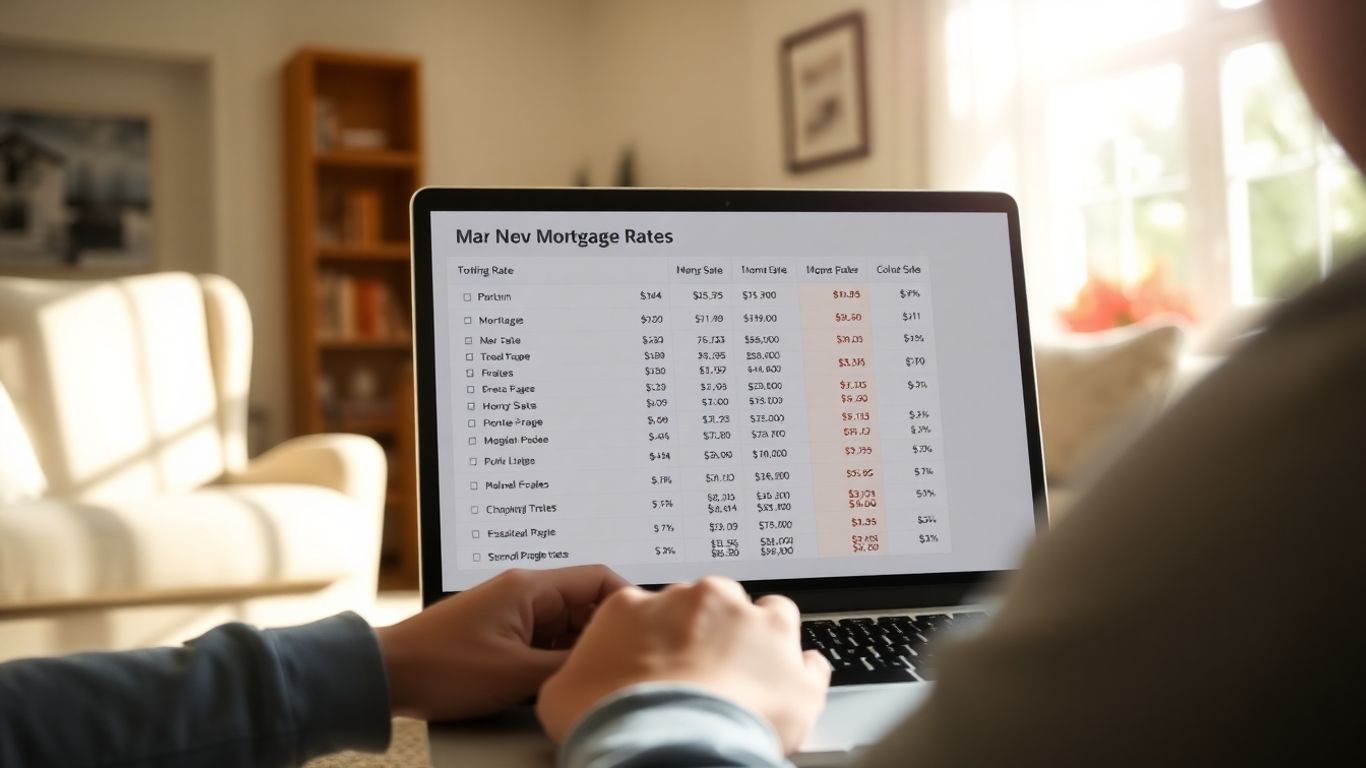
When you're looking to refinance your mortgage, it can feel like you're trying to find a needle in a haystack. There are so many lenders out there, and they all seem to offer slightly different rates and terms. This is where mortgage comparison sites really come in handy. They act as a central hub, pulling together offers from various lenders so you can see them all in one place.
Think of it like shopping for anything else online. Instead of visiting dozens of individual stores, you can use a comparison site to quickly see prices from many different retailers. For mortgages, these sites do the legwork for you. You typically enter some basic information about your home and your financial situation, and the site will show you a list of potential refinance rates and loan options. It's a huge time-saver and can help you spot deals you might have otherwise missed.
Here's what you can usually expect from these platforms:
- A broad overview of rates: You'll see advertised rates from a variety of lenders, from big banks to smaller mortgage companies.
- Personalized quotes: Many sites allow you to get a more tailored quote based on your specific details, giving you a clearer picture of what you might actually qualify for.
- Tools and calculators: Some platforms offer helpful calculators to estimate payments or understand closing costs, which are important parts of the refinance puzzle.
While these sites are fantastic for getting a general idea and comparing initial offers, remember they're just one piece of the puzzle. Not every lender might be listed, and the advertised rates might not always reflect the final offer you receive. It's always a good idea to use comparison sites as a starting point and then follow up directly with a few lenders that catch your eye. You can even use the information you gather to negotiate with lenders for a better deal.
Using comparison sites is a smart move to get a lay of the land. It helps you understand the general rate environment and see who's offering competitive deals. Just don't stop there; always dig a little deeper to confirm the details and ensure the offer truly fits your needs.
Check Your Credit Report
Before you even start looking at refinance rates, take a good, hard look at your credit report. It's like your financial report card, and lenders use it to decide how risky you are to lend money to. A better score usually means a better interest rate, and that can save you a ton of cash over the life of your loan. So, what's the deal with these reports?
Your credit report is a detailed history of how you've handled borrowed money. It includes information about your payment history, how much debt you carry, how long you've had credit, and the types of credit you use. It also lists any credit inquiries and public records like bankruptcies.
Here's why it's so important to check it:
- Spot Errors: Believe it or not, mistakes happen. You might find accounts that aren't yours, incorrect late payments, or outdated information. Fixing these errors can actually boost your score.
- Understand Your Score: Knowing where you stand is the first step. Most lenders require a credit score of at least 620 to refinance, but aiming higher is always better for the best rates. You can get free copies of your report from the major credit bureaus.
- Identify Problem Areas: See where you might be hurting your score. High credit card balances or a history of missed payments will definitely show up.
It's a good idea to get a copy of your credit report from each of the three major bureaus at least once a year. Review them carefully for any inaccuracies. Correcting mistakes can sometimes lead to an immediate improvement in your credit score, which could translate into a lower refinance rate. Don't just glance at it; really dig in.
If you find errors, dispute them immediately with the credit bureau and the creditor. Also, take note of anything that might be dragging your score down, like high credit utilization. Paying down those balances can make a big difference. Getting your credit report in order is a solid step toward securing a better refinance deal. You can often get a free report to start checking your credit.
Pay Down Existing Debts
Before you even think about refinancing, take a good look at what you owe. High-interest debts, like credit card balances or personal loans, can really drag down your financial picture. When lenders see a lot of outstanding debt, it makes them nervous about your ability to handle another loan, even a mortgage refinance.
Paying down these debts before you apply can significantly improve your chances of getting approved and snagging a better interest rate. It shows lenders you're responsible and have your finances in order. Plus, it just feels good to owe less!
Here's a quick rundown of why it matters and what you can do:
- Reduces Your Debt-to-Income Ratio (DTI): This is a big one for lenders. A lower DTI means you have more income available to cover your mortgage payments.
- Boosts Your Credit Score: Paying down balances, especially on credit cards, can positively impact your credit utilization ratio, which is a major factor in your credit score.
- Frees Up Cash Flow: Less money going towards old debts means more money available for your mortgage and other living expenses.
- Simplifies Your Finances: Juggling multiple debt payments can be a headache. Consolidating or eliminating them makes managing your money much easier.
Think about it this way: if you have $10,000 in credit card debt at 18% interest, that's costing you a pretty penny each month. Moving that debt into a mortgage refinance at, say, 5% could save you a substantial amount in interest over time. Just make sure you don't rack up new debt after you refinance!
When considering a refinance, lenders look at your overall financial health. High levels of existing debt can signal a higher risk, potentially leading to less favorable loan terms or even denial. Addressing these debts proactively demonstrates financial discipline and can make your refinance application much stronger.
Review Your Mortgage Statement
Before you even think about refinancing, take a good, hard look at your current mortgage statement. It's like a financial report card for your home loan, and understanding it is step one. You need to know exactly where you stand before you can figure out if a change makes sense.
What should you be looking for? A few key things:
- Your current interest rate: This is the big one. How high is it compared to what's out there now?
- Your remaining balance: How much do you still owe?
- Your monthly payment breakdown: How much goes to principal and how much to interest?
- Any prepayment penalties: This is super important. Some loans charge you a fee if you pay them off early, and that can eat into any savings you might get from refinancing.
- Your loan term: How many years are left on your mortgage?
It might seem obvious, but really digging into these details will give you a clear picture. For example, if your statement shows you're paying a lot in interest each month and you've got a decent chunk of equity built up, refinancing to a lower rate could save you a significant amount of money over time. But if there's a hefty penalty for paying off the loan early, you need to factor that cost in.
Don't just skim over the numbers. Take the time to understand each line item. It's your money, after all, and knowing the specifics of your current loan is the foundation for making a smart refinancing decision. If anything looks confusing, don't hesitate to call your lender and ask for clarification. It's better to ask now than to make a mistake later.
Get a New Appraisal
Sometimes, lenders require a new appraisal when you refinance. This is basically a professional opinion on what your home is worth right now. It's not just a formality; it directly impacts how much you can borrow and the loan-to-value ratio (LTV) the lender is comfortable with. A higher appraised value can mean better loan terms for you, especially if you're looking to do a cash-out refinance.
Here's why it matters:
- Determines Loan-to-Value (LTV): Your LTV is the loan amount divided by the home's value. Lenders use this to assess risk. A lower LTV, often achieved with a higher appraisal, usually means better rates.
- Cash-Out Potential: If you want to pull cash out of your home's equity, the appraisal sets the ceiling on how much you can access.
- Loan Approval: In some cases, a recent appraisal from when you bought the home might not be sufficient for a refinance, especially if market conditions have changed significantly.
The cost of an appraisal can range from a few hundred to over a thousand dollars, depending on your location and the complexity of the property. Make sure to factor this into your overall closing costs when calculating if refinancing makes financial sense.
While you might not always have a choice in getting a new appraisal, understanding its role can help you prepare and potentially influence the outcome. If you've made significant improvements to your home since your last appraisal, be sure to have documentation ready to share with the appraiser.
Prepare Documentation
Getting your paperwork in order is a big part of refinancing. Lenders need to see a clear picture of your financial situation, and having everything ready makes the process go much smoother. Don't wait until the last minute to gather these items.
Here’s a general list of what you’ll likely need:
- Proof of Income: This usually means your most recent pay stubs, W-2 forms, and tax returns from the last two years. If you're self-employed, you'll need more extensive documentation, like business tax returns and a profit and loss statement.
- Current Mortgage Statement: This shows your existing loan details, including your balance, payment history, and interest rate.
- Bank Statements: Lenders will want to see statements for your checking and savings accounts to verify your assets and cash flow.
- Identification: You'll need a valid government-issued ID, like a driver's license or passport, and often your Social Security card.
- Credit Report: While lenders will pull their own, having a recent copy of your credit report can help you spot any errors beforehand.
Sometimes, a new appraisal of your home will be required. This helps the lender determine the current market value of your property. It's a good idea to have your Social Security card and other personal documents easily accessible.
Gathering all your financial documents can feel like a chore, but it's a necessary step. Being organized upfront saves time and can prevent delays in your refinance application. Think of it as laying the groundwork for a better mortgage rate.
Make sure you have copies of everything, and keep them organized. This will make it easier to submit them to your lender and answer any follow-up questions they might have.
Consolidate Debt
Got a pile of high-interest debt hanging over your head? Think credit cards, personal loans, or even tax bills? Refinancing your mortgage can be a way to tackle that. By rolling that debt into your mortgage, you're essentially swapping a high interest rate for your mortgage's typically lower rate. This can save you a good chunk of money on interest over time and make your monthly payments more manageable.
Here's how it generally works:
- Assess your current debt: List out all your debts, including the balance, interest rate, and minimum monthly payment for each.
- Check your home equity: You'll need enough equity in your home to cover the debt you want to consolidate, plus any closing costs for the refinance.
- Compare interest rates: See how your current mortgage rate stacks up against the rates for your other debts. The bigger the difference, the more you stand to save.
- Calculate the total cost: Factor in the refinance closing costs. You want to make sure the savings from consolidating outweigh these upfront expenses.
This strategy can significantly reduce the total interest you pay and simplify your finances by having just one payment to worry about. However, it's important to be disciplined. If you rack up new debt after consolidating, you'll end up in a worse financial spot. It's also worth noting that while this can lower your monthly payments, it might extend the life of your mortgage and increase the total interest paid over the very long term if you only focus on the monthly payment reduction.
Refinancing to pay off debt means you're trading unsecured debt for secured debt. Your home becomes collateral, so if you can't make the payments, you risk losing your house. It's a big change, and you need to be sure you can handle the new, larger mortgage payment.
Access Home Equity
Sometimes, you don't just want a lower monthly payment; you need cash. Maybe for a big home renovation, or perhaps to pay off some high-interest credit cards. This is where accessing your home equity comes into play. Refinancing can be one way to do this, often called a "cash-out refinance." You essentially take out a new, larger mortgage and get the difference in cash.
However, it's not always the best route. If your current mortgage has a really good interest rate that you'd hate to lose, replacing it entirely might not make sense. In those situations, a Home Equity Line of Credit (HELOC) or a home equity loan could be a better fit. These products let you borrow against your home's value without touching your primary mortgage.
Here's a quick look at when you might choose one over the other:
- Cash-out Refinance: Good if you want to lower your overall interest rate and get cash, or if you're okay with getting a new mortgage. It simplifies things by having just one loan payment.
- HELOC: Think of it like a credit card secured by your home. You can draw funds as needed, up to a limit, and usually only pay interest on what you use. Rates are often variable.
- Home Equity Loan: This gives you a lump sum of cash upfront, and you pay it back over a set period with a fixed interest rate. It's more predictable than a HELOC.
Deciding whether to refinance for cash or opt for a separate home equity product really depends on your specific needs. If your main goal is just to get cash and you have a great existing mortgage rate, a HELOC or home equity loan might save you money in the long run by letting you keep that low rate.
When you apply for any of these, lenders will look at how much equity you have. Generally, you'll need a good amount of equity to qualify for the best terms. This means your home's value needs to be significantly higher than what you owe on your mortgage.
Understand Prepayment Penalties
When you're looking to refinance, it's easy to get caught up in the excitement of a lower interest rate. But before you sign on the dotted line, make sure you know about prepayment penalties. These are fees that some lenders charge if you pay off your mortgage loan, or a significant portion of it, earlier than the agreed-upon schedule. It's like a little surprise fee for being financially responsible and wanting to pay down your debt faster.
It's really important to check your current mortgage contract for any prepayment clauses. Sometimes, these penalties can be quite substantial, and they might eat up any savings you thought you'd get from refinancing. Lenders include them because they expect to earn interest over the life of the loan, and if you pay it off early, they miss out on that expected income.
There are a few common ways these penalties are calculated:
- Interest Rate Differential (IRD): This is common with fixed-rate mortgages. The penalty is calculated based on the difference between your current interest rate and the prevailing market rates for a similar mortgage term. If market rates have dropped significantly since you got your loan, this penalty can be quite high.
- Fixed Percentage: Some loans have a straightforward penalty, like a percentage of the outstanding balance or a certain number of months' worth of interest.
- Combination: Some lenders might use a mix of these methods.
Before you commit to a refinance, ask potential lenders about their policies on prepayment. You want to make sure that if you decide to pay extra or pay off the loan entirely down the road, you won't be hit with a hefty fee. Understanding this now can save you a lot of headaches and money later on. It's a key part of getting the best deal when you refinance your mortgage.
Compare Offers From Multiple Sources
Don't just go with the first lender you talk to, or even your current bank. Seriously, it's like buying a car – you wouldn't just take the first sticker price you see, right? Refinancing your mortgage is a big deal, and getting the best rate can save you a ton of money over the years. That's why you absolutely need to shop around.
Think about it this way: different lenders have different appetites for risk and different overhead costs. This means they can offer slightly different rates and terms. Some might have a killer rate but charge more in fees, while others might have a slightly higher rate but offer more flexible terms. You need to see what's out there.
Here’s a good way to approach it:
- Reach out to your current bank or mortgage provider. See what they offer you first. It's convenient, but don't stop there.
- Contact a few other major banks. Get quotes from them. Even if you don't think they'll have the best deal, it's worth asking.
- Explore credit unions and smaller lenders. These institutions can sometimes offer more competitive rates because they have different business models.
- Consider using an online mortgage broker or comparison website. These services can quickly show you rates from many lenders all at once. They often have access to deals you might not find on your own.
The goal is to get at least three to five different quotes. This gives you a solid baseline to see what the market is offering for someone with your financial profile.
When you're comparing offers, don't just look at the interest rate. You also need to factor in all the associated costs, like appraisal fees, title insurance, and any points the lender might charge. Sometimes a slightly higher rate with lower fees can actually be a better deal overall. Make sure you're comparing apples to apples.
It might seem like a lot of work, but taking the time to compare multiple offers is one of the most effective ways to ensure you're getting the best possible refinance rate for your mortgage in 2025. It's your money, after all!
Monitor Market Trends
Keeping an eye on what's happening with interest rates and the housing market is pretty important when you're thinking about refinancing. It's not just about your own situation; the broader economic picture plays a big role. For instance, the Bank of Canada has been making some moves, and forecasts suggest rates might stay put for a while. We're seeing predictions that the market-implied BoC rate could hover around 2.25% through late 2025, and potentially stay in the 2.25%-2.50% range for the next couple of years.
Here's a quick look at some forecasts:
- Late 2025: 2.25%
- 2026-2027: 2.25%-2.50%
- 2028-2029: 2.75%
This kind of information can help you decide if now is the right time to lock in a rate or if waiting might be beneficial.
Also, the real estate market itself has its own rhythm. We've seen sales picking up in some areas, partly because borrowing costs have eased a bit. This can affect home values and, consequently, your home equity. When more buyers are active, it can tighten up inventory, which sometimes leads to modest price improvements. It's a bit of a balancing act.
The housing market's activity is often tied to interest rate movements. When rates drop, more people tend to look for homes or refinance existing mortgages. Conversely, rising rates can cool things down. Understanding these cycles helps in timing your refinance application.
It's also worth noting that fixed mortgage rates have seen some fluctuations. Forecasts for the 5-year fixed range in 2025 are generally between 3.60% and 4.10%, with current best rates around 3.85%. Looking ahead to 2026, the range might be 3.50% to 4.30%. These numbers are just estimates, of course, and can change based on economic news. Staying informed about these trends can help you make a more strategic decision about your mortgage. You can check out current mortgage rate forecasts to get a better idea of what experts are saying.
Review Loan Terms
When you're looking to refinance your mortgage, it's super important to really look at what you're signing up for. It's not just about the interest rate, though that's a big part of it. You've got to check out all the little details, the stuff that's written in the fine print.
Think about things like:
- Prepayment Privileges: Can you pay extra on your mortgage without getting hit with a penalty? Some loans let you pay a certain percentage extra each year, while others might let you make a big lump sum payment. This can really help you pay down your loan faster.
- Rate Lock Period: How long will the lender hold that interest rate for you while they process your application? Make sure it's long enough so you don't miss out if things take a bit longer.
- Amortization Period: This is how long you have to pay off the entire mortgage. A shorter period means higher monthly payments but less interest paid overall. A longer period means lower monthly payments but more interest over time.
- Fees and Penalties: What are the closing costs? Are there any penalties if you decide to pay off the mortgage early or sell your home? These can add up, so know what you're getting into.
It's easy to get caught up in just the advertised interest rate, but all these other terms can seriously affect how much you pay over the life of the loan. Don't skip over them!
For example, a loan might have a slightly lower interest rate, but if it has hefty prepayment penalties or a really long amortization period that means you'll pay way more interest in the long run, it might not be the best deal for you. Always compare the total cost, not just the headline number.
Wrapping It Up
So, refinancing your mortgage in 2025 might seem like a lot to figure out, but it doesn't have to be. We've gone over how to get your finances in order, like checking your credit and paying down debt. Remember to shop around and compare offers from different places, not just your usual bank. It's also smart to think about whether a fixed or variable rate makes more sense for you right now, and to calculate if the savings will really outweigh those closing costs. If you're not sure about all the details, talking to a mortgage broker can really help clear things up and maybe even get you a better deal. Taking these steps can make a big difference in your monthly payments and your overall financial picture.
Frequently Asked Questions
What exactly is mortgage refinancing?
Refinancing your mortgage means you're basically getting a brand new loan to pay off your old one. You might do this to get a lower interest rate, change how long you have to pay it back, or take out some cash from your home's value.
How can I make sure I get the best interest rate when I refinance?
To snag the best rate, you'll want to boost your credit score by paying down debts. Also, shop around and compare offers from different lenders. It's like comparing prices for anything else – you want the best deal!
What are closing costs, and do I have to pay them?
Yep, refinancing usually comes with closing costs. Think of them as fees for setting up the new loan, like appraisal fees or legal costs. They're typically a small percentage of the loan amount, and it's important to figure out if your savings will be more than these costs.
Should I choose a fixed or variable interest rate for my new mortgage?
A fixed rate means your interest payment stays the same for the whole loan, offering stability. A variable rate can start lower but might go up or down depending on the market. It's a trade-off between predictability and potential savings.
How do I know if refinancing will actually save me money?
You need to calculate your 'break-even point.' This is the point where the money you save each month on your new loan covers all the costs you paid to refinance. If you plan to stay in your home longer than that break-even time, you're likely to save money overall.
What if I just need some cash, not a whole new mortgage?
If you just need extra money for things like home improvements or paying off other debts, you might consider a Home Equity Line of Credit (HELOC) or a home equity loan instead of refinancing your entire mortgage. This can sometimes be simpler and cheaper if your current mortgage rate is already really good.












Get in touch with a loan officer
Our dedicated loan officers are here to guide you through every step of the home buying process, ensuring you find the perfect mortgage solution tailored to your needs.
Options
Exercising Options
Selling
Quarterly estimates
Loans
New home

Stay always updated on insightful articles and guides.
Every Monday, you'll get an article or a guide that will help you be more present, focused and productive in your work and personal life.









.png)
.png)
.png)
.avif)
.avif)
.avif)
.png)
.png)
.png)
.avif)
.png)
.png)
.avif)
.png)
.avif)
.png)
.avif)
.avif)